
Only 3 years have passed since I have been cured of plant blindness, a peculiarly human inability to notice plants in the natural environment. For most of my life, with the exception of a few well-known species or a notable specimen tree here and there, most plants have melded into a nameless blur of pleasant green. These are the top 10 plants that broke through my near lifetime of inattention.
- Cabbage
One of the small joys of my childhood was sneaking to watch a movie that I wasn’t supposed to be watching. Sometimes I learned valuable information that my mom, aunties, or older cousins weren’t going to tell me about any time soon, e.g. Waiting for Mr. Goodbar (1977). Other times, my precocity bought me years of nightmares, as was the case after seeing Invasion of the Body Snatchers (1978).
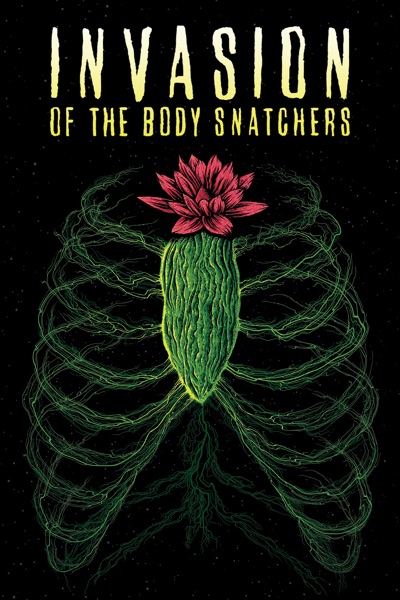
In Invasion, an alien lifeform, with an oddly arcane life cycle, descends onto planet earth from parts unknown. Its spores turn into luridly beautiful flowers, which in turn become pods that envelop, seemingly devour, and lastly clone any human unlucky enough to be sleeping in their vicinity. The resulting pod person is an emotionless automaton bent on eradicating all human life. In the way of the best 70’s horror films, it filled me with creeping dread.
After that, I gave my great aunt’s cabbage patch a wide berth. Just. In. Case. I also avoided her giant sunflowers whose tendency to follow the sun meant they too could not be trusted. Their proximity to the mint that my mom would use to make a sweet tisane forced me closer. It wasn’t until the sunflower seeds were harvested that I lost my fear of them. Those giant cabbages though, with the suspiciously veiny long-lasting leaves… I still don’t know about them.
- Baobab

I first encountered the baobab — a fantastically insistent name– in Le Petit Prince, but I first met one in person in Kenya. I remember thinking how odd that the most wondrous thing I’ve ever seen could just be there, hanging out by the side of the road, casually occupying the landscape like any commonplace oak or maple back home, probably wondering why this tiny humanoid was freaking the fuck out. Baobab are so weirdly beautiful and filled with overwhelming amounts of personality. I adore them.
- Orange Bird of Paradise

The South African beauty, the orange bird of paradise, was a frequently-used landscape plant in Southern California when I was a kid. I most associate them with my junior high school, especially with the patch not too far from my math, English, and geography classes. I didn’t appreciate at the time that my public school would, could, invest money in surrounding us with such pockets of natural beauty. It is my all-time favorite flower and, as such, occupies a place of honor in the Punk Tropicale logo.
- Ice Plant (Carpobrotus chilensis)
Other South African transplants commonly seen in Southern California are the succulents Carpobrotus chilensis and Carpobrotus edulis. Initially introduced to California as erosion stabilization tools, they are now considered invasives, particularly the more aggressive Carpobrotus edulis. I remember these growing in every “canyon” or steep slope, enabling an easy climb or preventing an inelegant tumble when picking through some shortcut or back way. I think of them fondly for being utilitarian with the added bonus of constant magenta flowers.
- Thistle
Since I don’t have an outdoor garden or vegetable patch that I have to weed, I still can appreciate plants with a “fuck you, I won’t do what you tell me” attitude, also known as weeds. Weeds are plants that refuse to submit to the will of us humans and stay where they are told. I think I like beings that want desperately to live and won’t bow down to our whims. I respect their bullheaded survival, unless of course, those beings are insect pests and poison ivy, in which case, screw ‘em.
My affection for thistle is also partly due to the delicate botanical illustrations in a nature and wildlife book my mother bought me. Being one of those lonely bookish kids who was also really into words, I liked plants that called for crayons with interesting names like magenta and fuschia. As you can imagine, I also liked forget-me-nots that required periwinkle blue and greenery with chartreuse leaves.
- Lady Slipper
My husband was unnerved when I said that the pink Lady Slipper orchid (Cypripedium acaule), that has sprouted in the bed of pine needles near his mother’s house, looked like a grandpa’s testicle. He couldn’t unsee it and I cackled at his dismay. Later while reading the Orchid Thief (1998), I shouted out in triumph that ‘orchid’ was derived from Ancient Greek and means testicle, proving that I was no more or less obsessed with sex than my botanical forebears.
- Bougainvillea
I hadn’t realized until I was making this list that when it comes to flowering plants, I have a strong preference for plants with inflorescences as opposed to a single flower on a stem. In addition to the modified magenta leaves or bracts seen on bougainvillea, I like spathes and spadices (e.g. peace lily, Anthurium, calla lily), catkins (e.g. pussy willow, chenille plant), racemes (e.g. foxglove), umbels (e.g. Queen Anne’s lace), panicles (e.g. wisteria), and whatever bird of paradise and Celosia argentea var. cristata are doing.
My favorite single flowers on a stem are peonies (i.e. what you would get if you had an overexuberant apprentice redesign roses) and the famed Semper Augustus tulips because they make me want to bust out my pencils and watercolors. Ball dahlias are exquisite as they look like math. They have an additional surprise in that– shazam— they are not a single flower, but are part of the tricksy Asteraceae family (https://en.wikipedia.org/wiki/Asteraceae) where what we think of as a single flower is actually a cluster of hundreds of flowers.
- Frangipani
I am currently reading Ken Druse’s A Scentual Garden (2019) and a Logee’s catalog to find inspiration for plantings. As an adult who is living in a city apartment and who can’t “go outside to play”, I feel more and more distanced from the botanical scents of my childhood, cut grass, honeysuckle, and jasmine, to name a few. The most the city has to offer these days is the semen-scented street tree, the callery pear.
I will still get down low to sniff lilies of the valley. You have to get intimately close, practically horizontal to be rewarded with their transporting scent. But the smell I miss the most is frangipani, specifically one particular house on the way to my elementary school in Cali.
- Redwoods

Return of the Jedi (1983) was the best Star Wars. Princess Leia was obviously the hero, as she recruited a crack team of adorable and ruthless guerrilla fighters who were essential to the Rebellion’s success through niceness, positive energy, and fantastic hair. Duh. Plus she murdered a monster many times her size with her bare hands while wearing fashion. The other reason Jedi slaps was because of the Endor shooting location in the Tall Trees Grove in the Redwood National and State Parks of California. Those trees seemed so unbelievable and magical to me, like baobabs, too outlandish to be real. Okay, I admit it. I’m a bit of a size queen.
- Spanish Moss
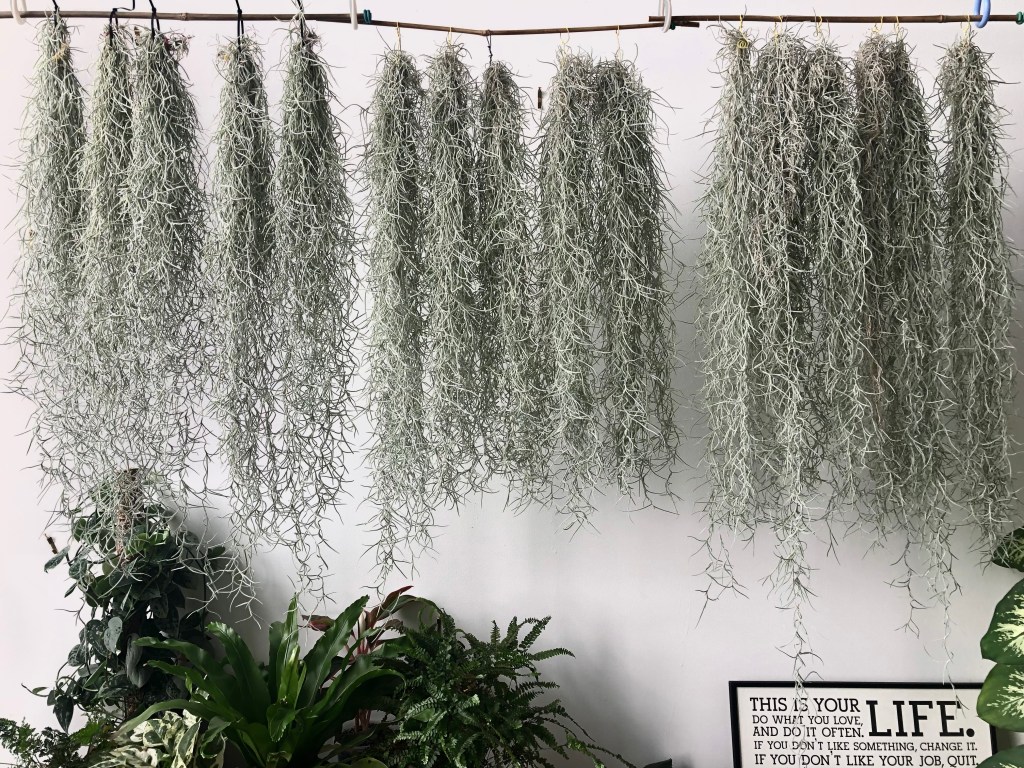
Much to my horror, my Haitian mother was not so interested in Christmas trees when I was little. One year when we lived in Miami, she insisted on gathering Spanish moss that grew wild on trees in the area. Using the moss as a stand-in for hay, she created a makeshift Christmas display in the living room where she nestled wooden figurines of Mary, Joseph, and the baby Jesus. I don’t remember if the Wise Men were there or not, but I may have tucked a bird ornament or two into the scene, figuring that birds liked miracles too.
Bonus: I asked my husband to make a similar list for me. His largely features plants from his childhood, especially those native/naturalized species whose utility is today underappreciated.
- Sacred datura
- The scrappy dandelion
- Cattails, supermarket of the swamps
- Lilypads (specifically New England Nymphae species)
- Lady slipper orchids
- Skunk cabbage
- Plants that explode their seeds everywhere
- Staghorn sumac
- Phragmites
- Oak
What are the top 10 plants that broke through your plant blindness? Tell me in the comments?
 Punk Tropicale