Great Gardens: Las Pozas in Xilitla, Mexico [Nowness].
Las Pozas (“The Pools”) is a subtropical garden established by twentieth-century British poet Edward James. Soaring out of the Mexican jungle near the town of Xilitla, the gardens are home to enormous concrete works of art that live alongside the tropical landscape.
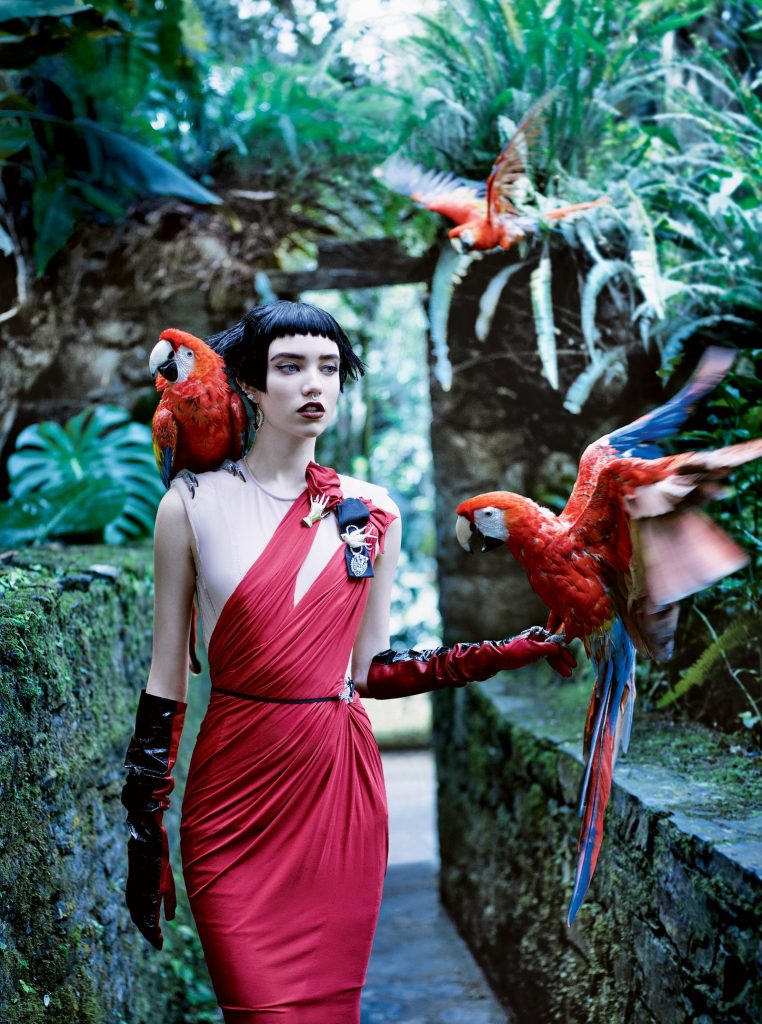
Model: Grace Hartzel. Photos by Mikael Jansson. Location: Las Pozas. Vogue, March 2016.Model: Grace Hartzel. Photos by Mikael Jansson. Location: Las Pozas. Vogue, March 2016.
Grace Hartzel on set with Vogue in Mexico’s Las Pozas.
Spaceship Earth is the true, stranger-than-fiction, adventure of eight visionaries who in 1991 spent two years quarantined inside of a self-engineered replica of Earth’s ecosystem called BIOSPHERE 2. The experiment was a worldwide phenomenon, chronicling daily existence in the face of life threatening ecological disaster and a growing criticism that it was nothing more than a cult. The bizarre story is both a cautionary tale and a hopeful lesson of how a small group of dreamers can potentially reimagine a new world.
This virtual-reality project transforms you into a rainforest tree. With your arms as branches and your body as the trunk, you’ll experience the tree’s growth from a seedling into its fullest form and witness its fate firsthand.
The Multi-sensory VR setup for Tree. Credit: Xin Liu, Yedan Qian.
The COVID-19 pandemic of 2020-2021 has left me like many people across the world with germy paranoia, the tendency to wield bleach-based household cleaners as a ward against evil, and a lot of time to closely observe my surroundings whether I want to or not.
The increased time inside made me register just how many pests were feasting joyously on my plants. I had, up until then, drive-by shot neem oil or insecticidal soap on infected specimens, never fully eradicating infections. Thrips mortally wounded my Monstera deliciosa and weakened my red Anthurium and beloved Peperomia argyreia. Spider mites windsurfed from my Norfolk Island Pine (Araucaria heterophylla) to my rubber tree (Ficus elastica). God-forsaken scale spread their armored bodies across the leaves of my majesty palms (Ravenea rivularis) like summer vacationers on the French Riviera. Lastly, I noticed ominous clouds of fungus gnats within leftover bags of potting mix.
A spirit of utter ruthlessness overtook me. Whereas in the Before Time, I might coddle a failing plant, now casualties were propagated if possible and then tossed into the trash, totally bypassing my compost bin. Two leaves of Mama Monstera were used to create Baby Groot I & II. Mother plant to the trash. My attempts to salvage Peperomia failed as cuttings rotted before they rooted. To the trash. Anthurium. Trash. Ravenea. Trash. There was no room for parasites in my self-contained Eden.
[Note: I really tried with the palms and even used systemic insecticide, not realizing that the Bonide I bought works on SOFT SCALE, but not ARMORED SCALE. Grrrr argggh.]
Alocasia amazonica. Cause of death: spider mite.
Hibiscus sinensis. Cause of death: whitefly.
Ravenea rivularis. Cause of death: armored scale.
In memoriam: plants I’ve lost to overwhelming pest infestation.
Then I arguably went a little bit loco. I came across Kew Gardens’ Living Collections Strategic Plan one day when searching for goodness knows what, probably recipes for container mixes. In it they described their biosecurity protocols. At a time when I was already wearing masks, gloves, and eye protection before a lot of the general US public had gotten the memo, I was perhaps a bit obsessed with infection prevention. Doesn’t help that in a past life I was a candidate for an infectious disease epidemiology doctorate.
Live shot of my frame of mind spending time with my plants this COVID winter. Loco ft. Bad Bunny – SNL.
A few grow lights were relocated to the “Quarantine Room” (the unfinished home office/spare guest room). New plants were kept apart from the rest of the pack for 3-4 weeks (separate shelf or separate room) and preemptively treated with insecticidal soap. I tried growing plants from seed. Hands were washed between plants. Old plant pots were bleached. Plants got regular spa treatments, i.e. leaves showered and wiped down. I bought those overpriced blue and yellow sticky strips to monitor pest populations. I mixed vermicompost into my container mixes (research suggests that in addition to promoting plant growth, the organisms with the worm compost can suppress certain common plant pests). I did everything, but use beneficial insects. I’m saving that stage of warfare for this winter when spider mites take advantage of the dry air to wreak their red-bodied havoc.
My Current Quarantine/Pest Management Practices
In summer 2021, I’m feeling less frantic about my quarantine and pest management practices. Below, I’ve summarized what I do in 13 steps. I have 230 plants at the moment with a goal of 400-500 for the Involucrata project, so what I need to do to keep pests to a manageable level is likely far more intense than for someone with a smaller collection. But these are best practices that I follow with varying levels of compliance depending on how busy or lazy I am. Sadly, I ALWAYS pay for laziness with having to spend more time dealing with the issue later.
Carefully inspect plants before buying.
Avoid unhealthy and unhappy plants as these are more susceptible to pests.
Once home, spray and wipe down all the leaves. The wipedown is not viable for plants like fern, so they just get a good shower.
Pre-treat with insecticidal soap or horticultural oil or neem oil. CAVEAT: DO NOT USE NEEM OR OIL-BASED PRODUCTS ON SUCCULENTS!
Place newbies in quarantine (i.e. a separate room or area or shelf) for 2-6 weeks and monitor on a regular basis. A different room is ideal because spider mites are little windsurfers. A different bench, at least 6 feet apart, is workable. Less than this is suboptimal, but you do what you can.
Use dedicated tools for quarantined plants.
Sterilize tools with flame or alcohol or bleach solution before use.
Wash your hands between plants (especially infected ones obviously).
Keep your plants healthy so they can repel pests themselves.
Treat emerging pest problems IMMEDIATELY.
Monitor emerging pest problems with sticky traps.
Unless you have a compost heap that gets good and hot, chuck out dead plants, leaf litter, and prunings from infected plants
Don’t reuse soil between different plants.
This fall, I want to learn more about beneficial insects. SummerRayneOakes, amateur botanist and trained entomologist, waxes lyrical about them all the time.
People who create live vivariums have an even more involved quarantine process as their plants need to not only be free of pests, but also of fertilizers and pesticides for the health of the amphibia or other sensitive creatures in their enclosures. See New England Herpetoculture’s plant processing guidelines for more information.
Serpadesign on “How to Clean and Quarantine Terrarium Plants”.
What do you do to keep your plants pest-free? Let me know in the comments.
Recommended Reading:
Colorado State University Houseplant Course on Managing Houseplant Pests 5.595
Involucrata, my newest project was initially conceived in late 2020 as “The Room.” It was to be much smaller, self-contained, and depending on your appreciation or fear of small spaces, far more claustrophobic. Budget constraints around the purchase and use of artificial lighting, as well as difficulties growing and maintaining my first choice of plants– various species of moss– led to a shift in focus, though I do intend to revisit the earlier womblike/tomblike concept of “The Room”.
Since then, the conception of “Involucrata”, as this iteration of the project is now called, has required further adjustments to my secondary plant selections. Before artistic considerations, here are the more mundane, budgetary, and biological constraints behind my current plant choices:
Modest humidity requirements;
Ease and speed of growth;
Commercial availability in the aftermath of COVID-19;
Ease of propagation from seed and cuttings; and
Plant susceptibility to pests.
Humidity requirements
Except for about three months in winter, relative humidity in my living/growing space stays around 50%, climbing to 60+% in the sweatiest part of summer. Any plant requiring consistently higher humidity than this is excluded from the project, with two important exceptions, Vanda orchids and rex begonia, because I hate myself and hairy stems are the new hair shirt.
Self-watering pots seem a promising solution for specimens like maidenhair and Kimberly fern that can survive in lower relative humidity as long as their roots are constantly moist. Grouping multiple small plants into a single larger pot also seems to help as the lower surface to volume ratio results in slower water evaporation over time. Within the grow areas are some plants that Logee’s recommends growing in terracotta to ensure root health. Water evaporating from those pots seems to be helping neighboring Polly Prissy Plants.
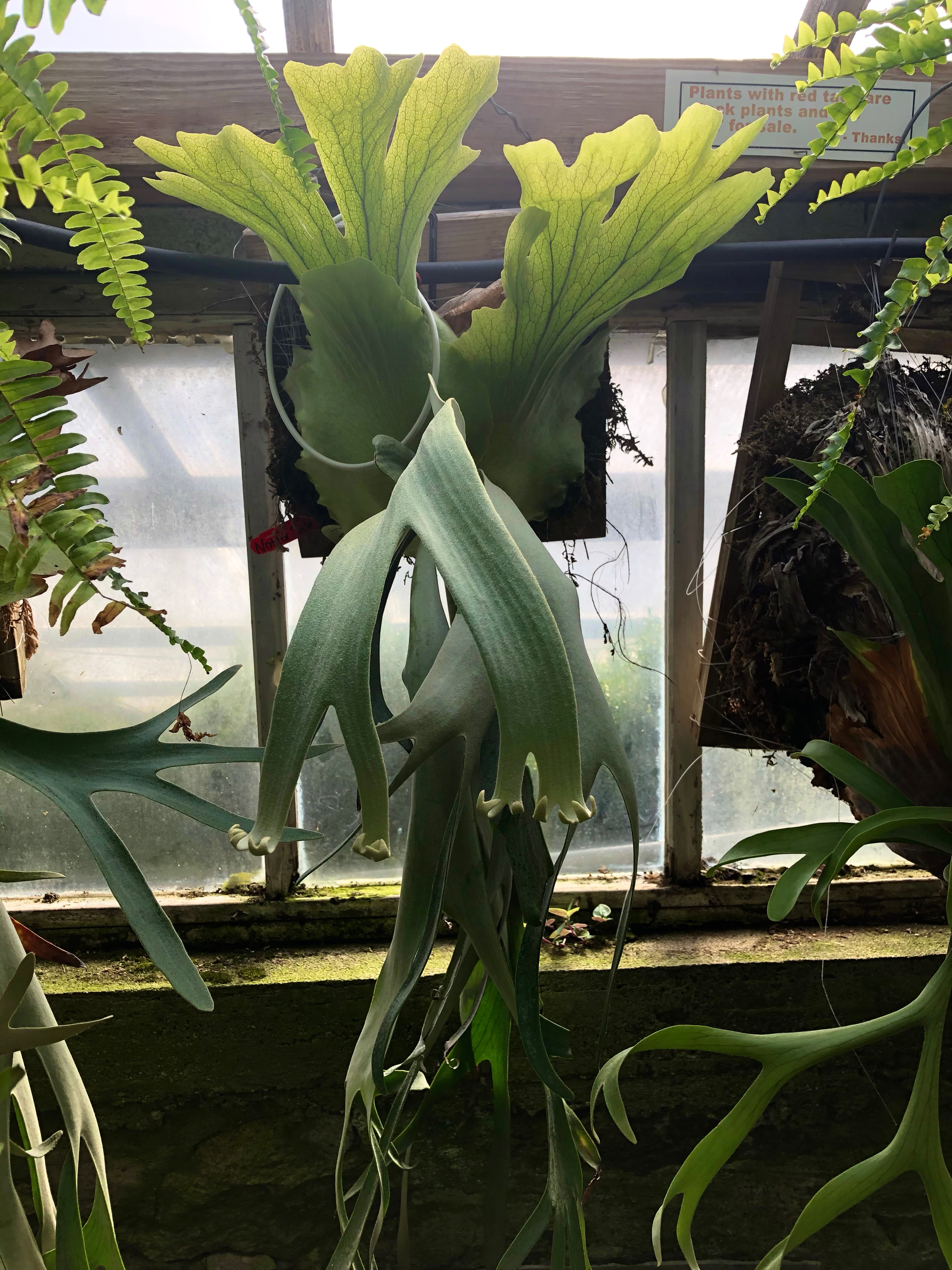
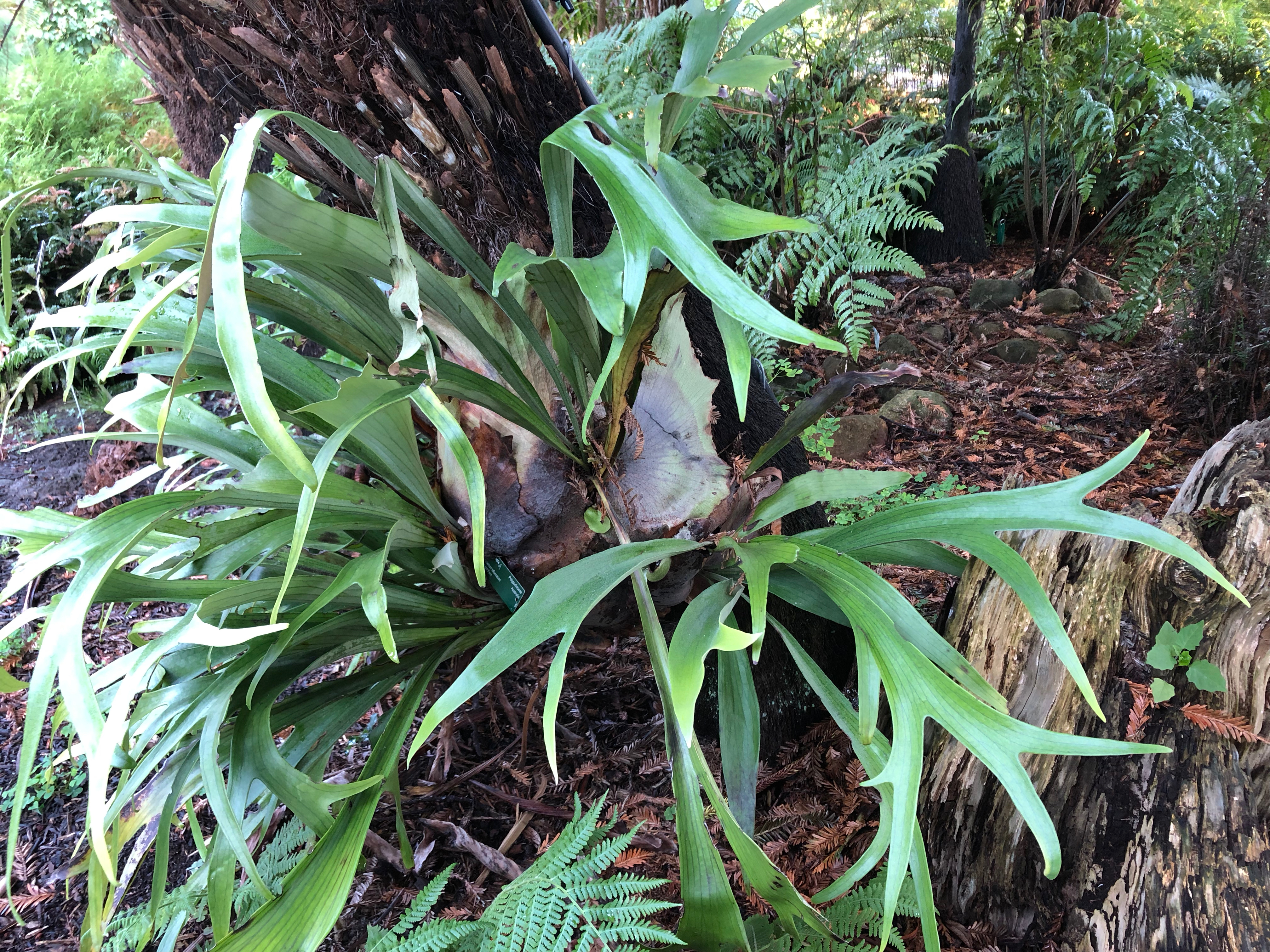
I’ve altered the plant list to include more epiphytic fern like Staghorn fern (Platycerium bifurcatum), Davallia spp., Asplenium spp., and Phlebodium aureum as opposed to Nephrolepis spp. I love the look of Boston Fern (Nephrolepis exaltata), but the cleanup is tedious so I’m limiting their number.
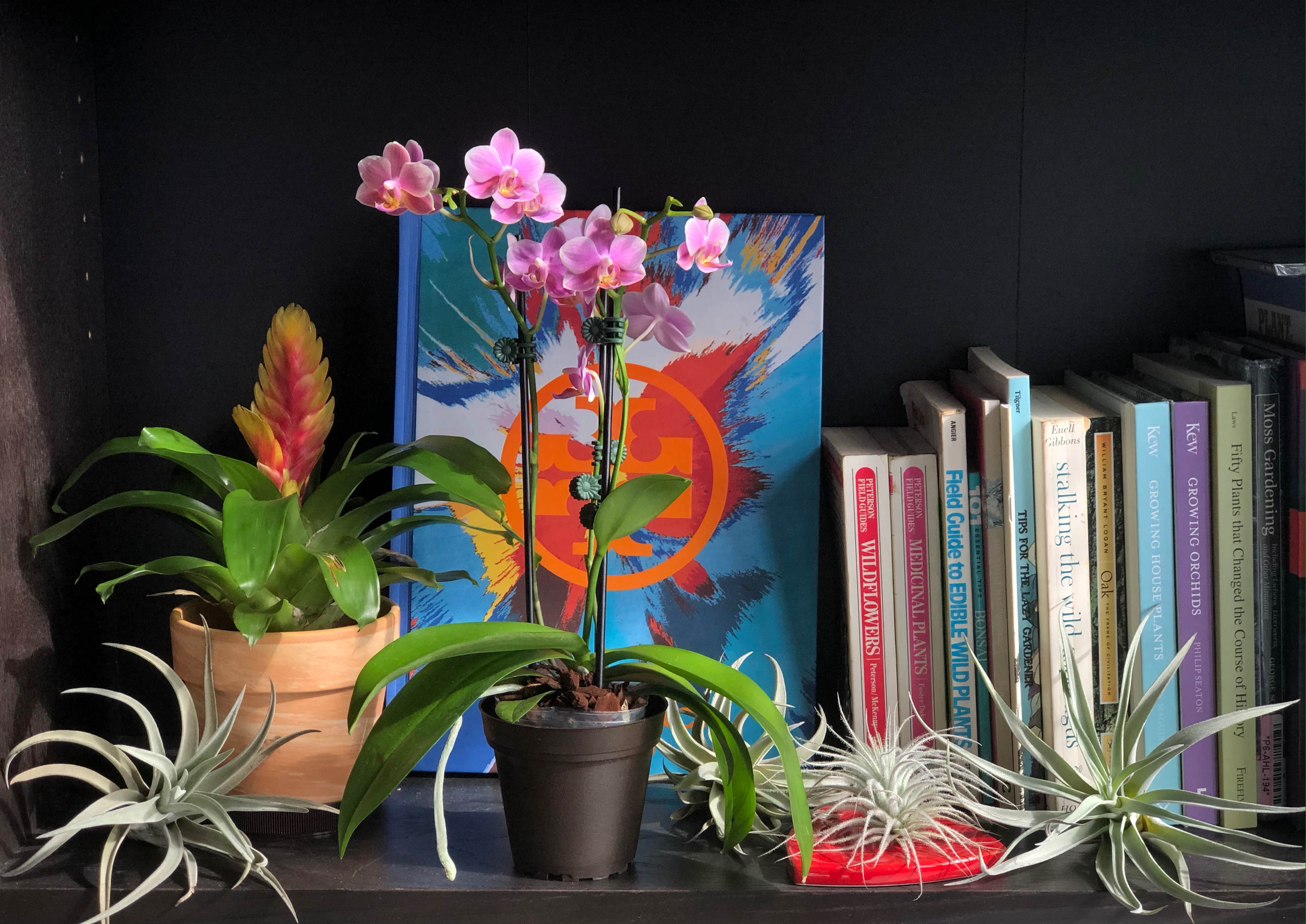
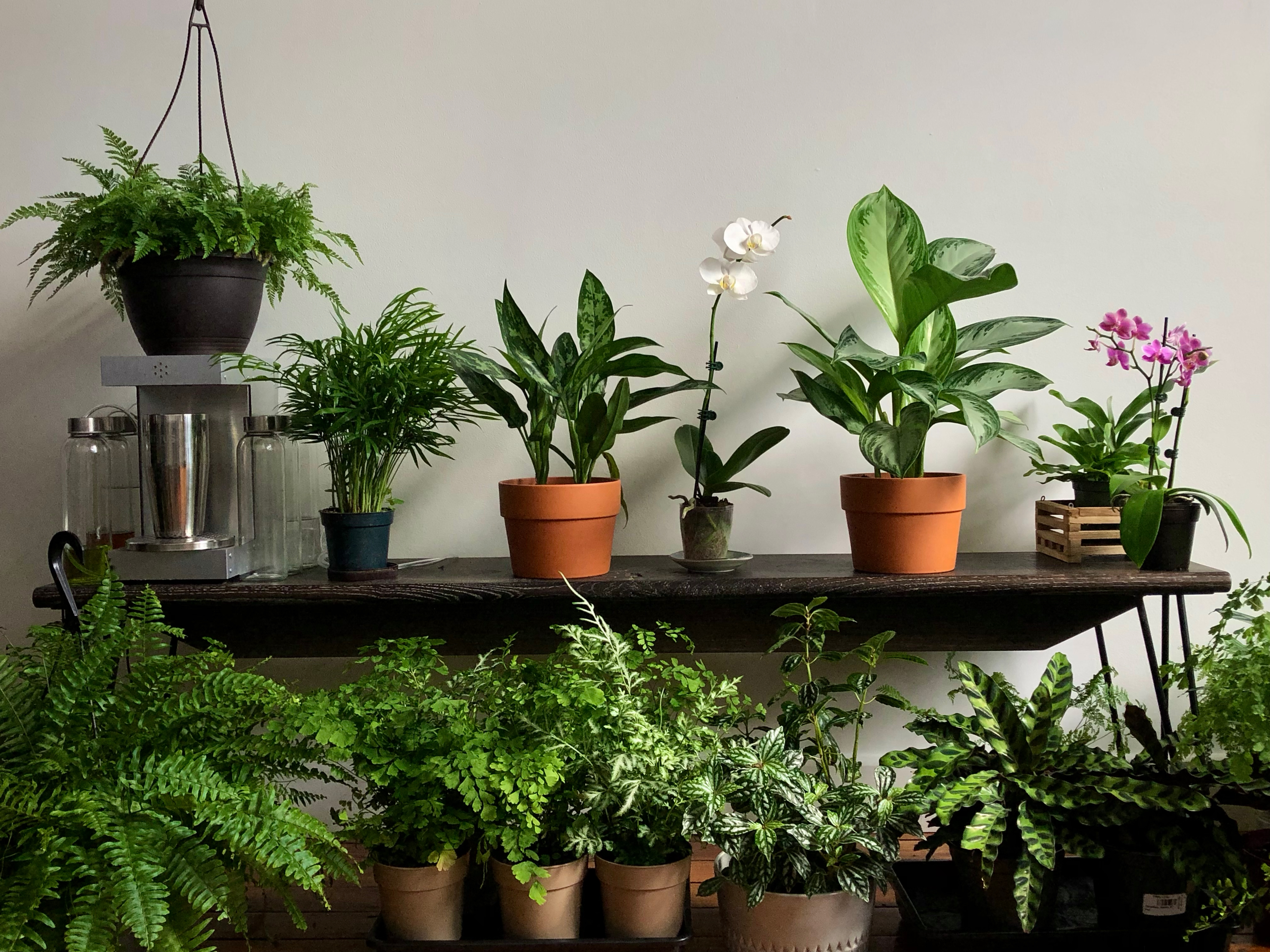
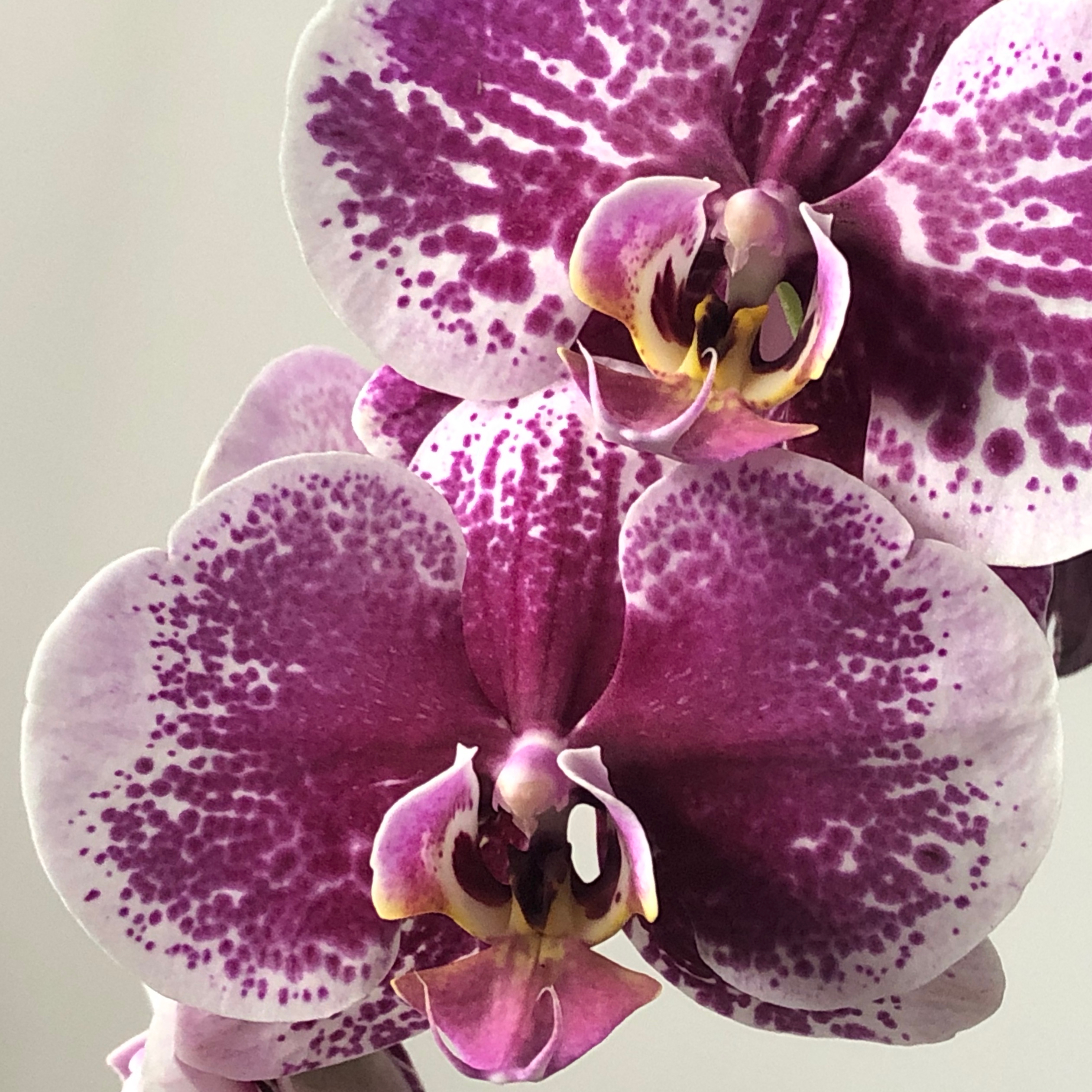
Much to my surprise, phalaenopsis orchids have proven this year’s MVPs. Thus far they have been the easiest to grow of all my plants save pothos. Due to their see-through pots, there is much less ambiguity over when they need to be watered. In addition, my growing space faces south-west. With the solar gain on sunny days and leaving windows open at night, I habitually see the 10-15 degree daily swings in temperature that the plants prefer. The second of four is about to flower, with the other two producing new leaves. I’ll be increasing the number of phals and experimenting with water culture (i.e. ½ to ⅓ of the roots in water), mounting on cork bark, and keiki paste. I like living on the edge.
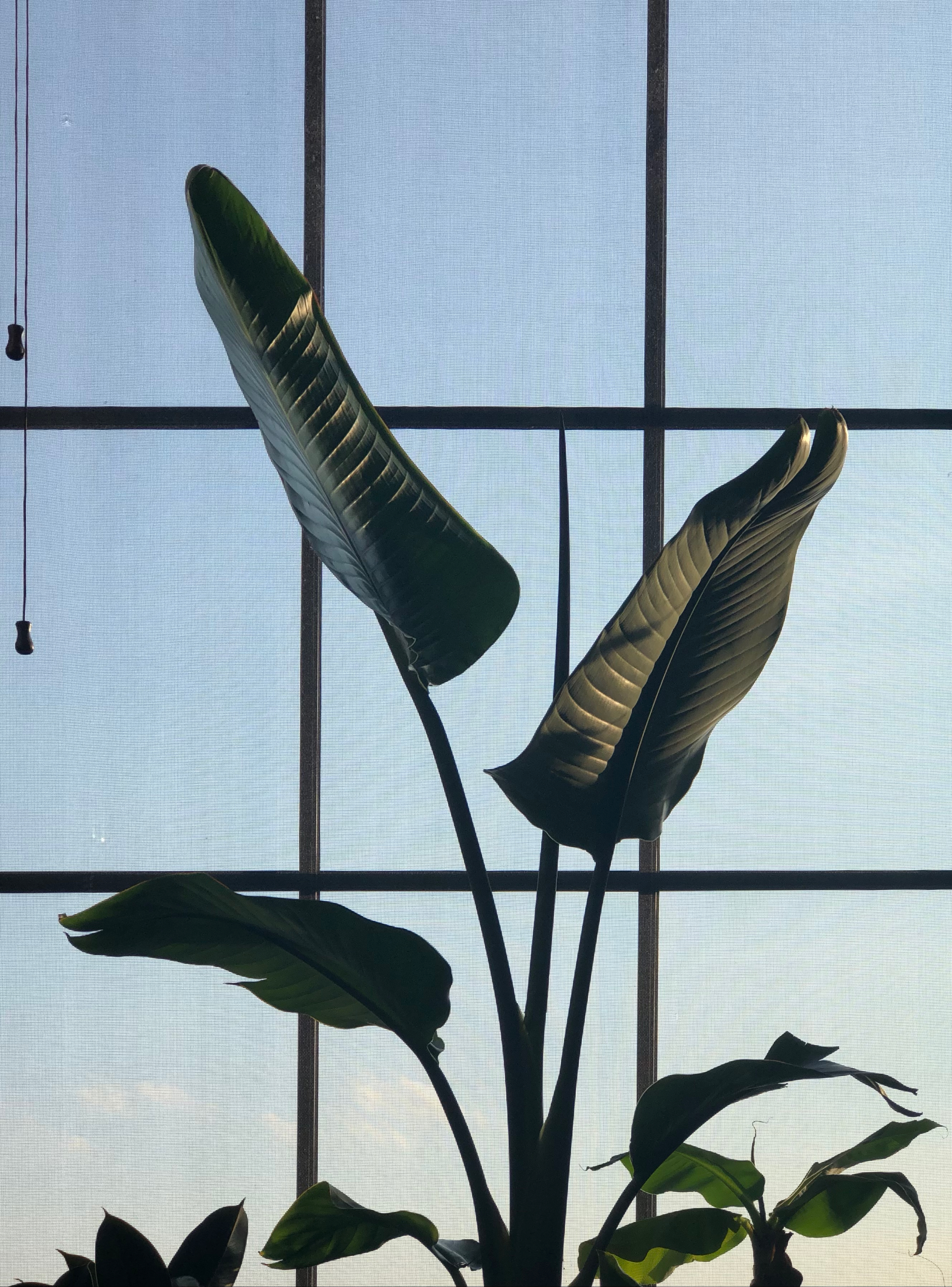
My birds of paradise seem to be doing relatively well. My original specimen arrived with a mealy bug infection which I defeated, but I’m now in a constant battle with spider mite. Despite this it is still growing strong and putting out new leaves at a rate of about 1-3 every month in the spring and summer.
My Ficus elastica and ZZ plants (regular, dwarf, and raven) have been given places of honor in bright spots. While they can tolerate low light, I’m rather fond of their resilience and want to see them thrive, rather than just barely survive. In bright light they can be quite vigorous growers. For the ficus in particular, I need to research how to promote aerial roots. They are so creepy and fun.
I’ve suddenly grown keen on members of the Bromeliaceae family, especially Tillandsia, as well as epiphytic cacti, sometimes referred to as jungle cacti. I’m trying my hand at growing dragon fruit (Hylocereus undatus) from fresh seed since they sprout readily and have rescued a few cuttings that were Frankensteined to create “Moon cacti”.
Commercial availability in the aftermath of COVID-19
Likely due to personnel constraints in the face of the COVID-19 pandemic, I’m finding that many of the old standbys at my preferred local/regional nurseries are looking a lot less healthy this year or are simply unavailable, most notably Maranta spp. This is pushing me out of my comfort zone and into more propagation.
Ease of propagation from seed and cuttings
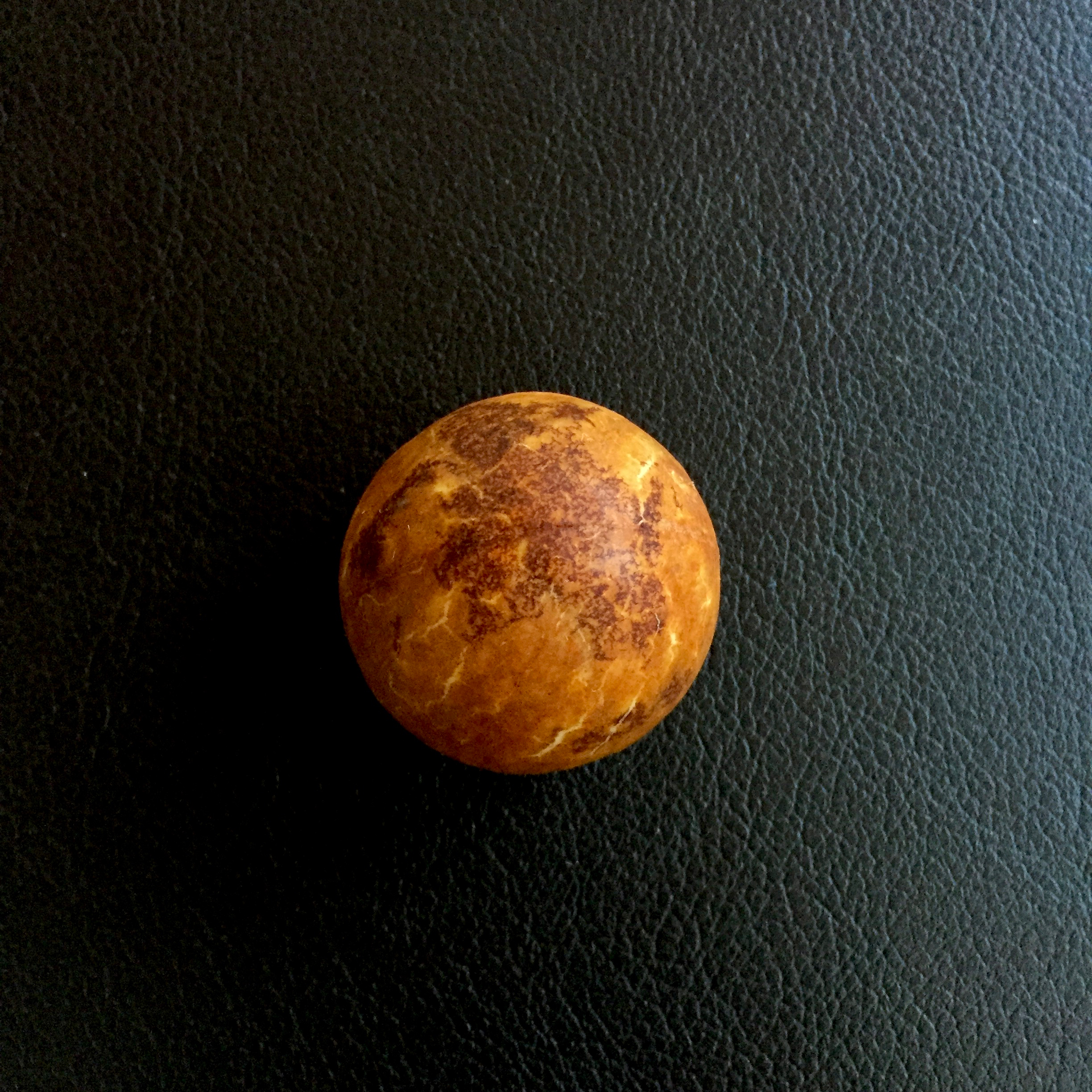
A Strelitzia reginae seed. Photo: Cat Laine.
So far, I’m growing Monstera deliciosa, mimosa, Strelitzia reginae, S. nicolai, two cultivars of nasturtium, lychee, avocado, dragonfruit, foxtail fern, and lemons from seed. It’s a slow process and I struggle with the establishment phase. I seem to be getting better as I persevere. The only way you don’t get better is if you give up too early, I suppose.
I can’t find Fatsia japonica or Gunnera manicata* locally so I’m going to try to grow them from seed. I had the most terrible experience with garden center palm trees and scale so I’m going to grow a few palms from seed as well. While achingly slow, one benefit is that plants grown here will be perfectly acclimated to their environment and not have to go through the sad adjustment phase that nursery grown specimens sometimes suffer when taken from their perfect light, perfect fertilizer penthouse accommodations.
(*Note: Gunnera is an absolute monster of a plant. It is in no way a houseplant. It’s nickname is dinosaur food after all. But I do want it to have a starring role in the project and theoretically growing it in a container will constrain it somehow. Theoretically. It is here that I should mention that my husband is really fucking cool and a great enabler of my schemes.)
Plant susceptibility to pests
The final factor influencing my plant selection is susceptibility to pests, namely the unholy trinity of spider mite, mealybug, and scale. This is where the heartbreak is. Plants prone to overwhelming spider mite infestation such as Alocasia amazonica are simply out. Banana and colocasia are on the verge of losing their spots. Strelitzia puts up a good fight so it’s in by a hair.
Mealy bug infected plants I will try to save as I’ve had some success when inspired by a spirit of ruthlessness. One favored foxtail fern had all its leaves removed, all the dirt washed from its roots and weird root nodules, followed by a 5 minute dip in a 5% bleach solution to rid it of mealybugs once and for all. I’ll report back if it recovers. My Hoya carnosa is being treated more gently.
Favorite line: He was a shy, lonely, rather ineffectual man, provided with just enough income to keep off the spur of necessity, and not enough nervous energy to make him seek any exacting employments. He might have collected stamps or coins, or translated Horace, or bound books, or invented new species of diatoms. But, as it happened, he grew orchids, and had one ambitious little hothouse.
2. Ursula K. Le Guin – Vaster than Empires and More Slow (1971)
A group of scientists, including one misunderstood misanthropic empath, explore a planet populated only by plants. Some 70’s typical problematic characterizations, but still worth a read.
Favorite line: Nothing here ate anyone else. All life-forms were photosynthesizing or saprophagous, living off light or death, not off life. Plants, infinite plants[.]
3. Pat Murphy – His Vegetable Wife (1985)
A farmer, living on an alien planet, buys seed to plant a vegetable wife who he is convinced will feel no pain. Trigger Warning: Imagine if you condensed the gender-based violence typical of The Handmaid’s Tale (the book not the show) and Ex Machina into 5 short pages.
Favorite Line: She stood in the window, waiting for the sun. When it warmed the earth, she would plant the man, as she had seen him plant seeds. She would stand with her ankles in the mud and the wind in her hair and she would see what grew.
Climate chaos unleashes a massive pollen storm of a GMO supergrass in Nigeria, leading a pregnant woman to form a deeper relationship with her smart home.
Favorite line: “Shit,” he said. “Why did I make these goddamn smart homes so smart?”
5. Tobias S. Buckell – The Machine That Would Rewild Humanity (2020)
As I’m in the middle of reading Isabella Tree’s Wilding (2018) and learning more about Stewart Brand’s de-extinction desires, this piece about A.I. wishing to reintroduce humans after one or more mass-extinction events was an intriguing read. The story execution is less grim than one might imagine given the subject matter.
Favorite Line: I wrote a thesis about the Haitian Revolution’s impact on slave-owner’s fears and how that was mirrored in late 20th century science fiction.
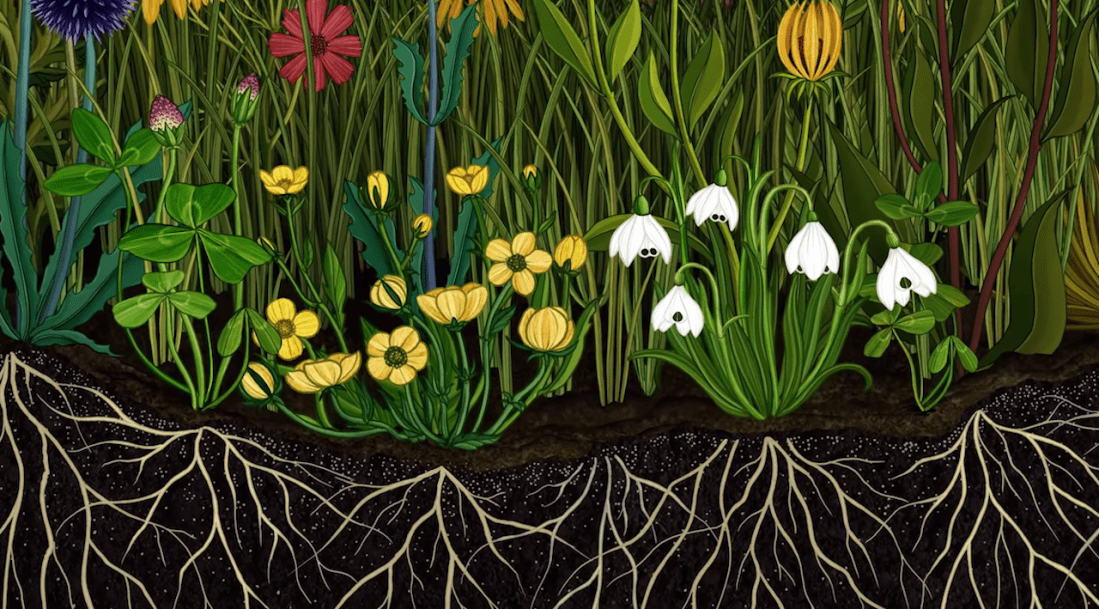
Directed by : Azuma Makoto Illustration by : Katie Scott Animation by : James Paulley Visual Supervisor : Shunsuke Shiinoki Project Management by : Eri Narita
Only 3 years have passed since I have been cured of plant blindness, a peculiarly human inability to notice plants in the natural environment. For most of my life, with the exception of a few well-known species or a notable specimen tree here and there, most plants have melded into a nameless blur of pleasant green. These are the top 10 plants that broke through my near lifetime of inattention.
Cabbage
One of the small joys of my childhood was sneaking to watch a movie that I wasn’t supposed to be watching. Sometimes I learned valuable information that my mom, aunties, or older cousins weren’t going to tell me about any time soon, e.g. Waiting for Mr. Goodbar (1977). Other times, my precocity bought me years of nightmares, as was the case after seeing Invasion of the Body Snatchers (1978).
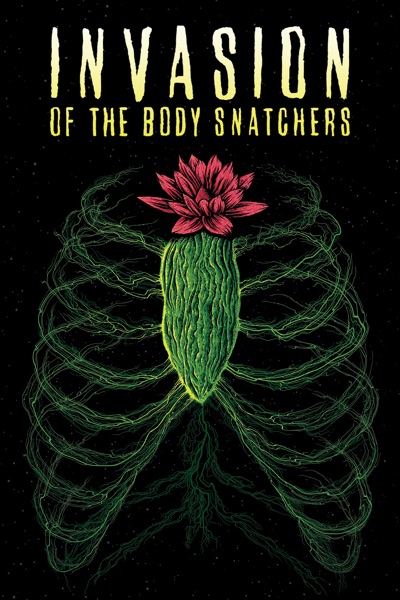
Invasion of the Body Snatchers, 1978. Movie Poster.
In Invasion, an alien lifeform, with an oddly arcane life cycle, descends onto planet earth from parts unknown. Its spores turn into luridly beautiful flowers, which in turn become pods that envelop, seemingly devour, and lastly clone any human unlucky enough to be sleeping in their vicinity. The resulting pod person is an emotionless automaton bent on eradicating all human life. In the way of the best 70’s horror films, it filled me with creeping dread.
After that, I gave my great aunt’s cabbage patch a wide berth. Just. In. Case. I also avoided her giant sunflowers whose tendency to follow the sun meant they too could not be trusted. Their proximity to the mint that my mom would use to make a sweet tisane forced me closer. It wasn’t until the sunflower seeds were harvested that I lost my fear of them. Those giant cabbages though, with the suspiciously veiny long-lasting leaves… I still don’t know about them.
I first encountered the baobab — a fantastically insistent name– in Le Petit Prince, but I first met one in person in Kenya. I remember thinking how odd that the most wondrous thing I’ve ever seen could just be there, hanging out by the side of the road, casually occupying the landscape like any commonplace oak or maple back home, probably wondering why this tiny humanoid was freaking the fuck out. Baobab are so weirdly beautiful and filled with overwhelming amounts of personality. I adore them.
Orange Bird of Paradise
Punk Tropicale. Illustration by Cat Laine.
The South African beauty, the orange bird of paradise, was a frequently-used landscape plant in Southern California when I was a kid. I most associate them with my junior high school, especially with the patch not too far from my math, English, and geography classes. I didn’t appreciate at the time that my public school would, could, invest money in surrounding us with such pockets of natural beauty. It is my all-time favorite flower and, as such, occupies a place of honor in the Punk Tropicale logo.
Ice Plant (Carpobrotus chilensis)
Other South African transplants commonly seen in Southern California are the succulents Carpobrotus chilensis and Carpobrotus edulis. Initially introduced to California as erosion stabilization tools, they are now considered invasives, particularly the more aggressive Carpobrotus edulis. I remember these growing in every “canyon” or steep slope, enabling an easy climb or preventing an inelegant tumble when picking through some shortcut or back way. I think of them fondly for being utilitarian with the added bonus of constant magenta flowers.
Thistle
Since I don’t have an outdoor garden or vegetable patch that I have to weed, I still can appreciate plants with a “fuck you, I won’t do what you tell me” attitude, also known as weeds. Weeds are plants that refuse to submit to the will of us humans and stay where they are told. I think I like beings that want desperately to live and won’t bow down to our whims. I respect their bullheaded survival, unless of course, those beings are insect pests and poison ivy, in which case, screw ‘em.
My affection for thistle is also partly due to the delicate botanical illustrations in a nature and wildlife book my mother bought me. Being one of those lonely bookish kids who was also really into words, I liked plants that called for crayons with interesting names like magenta and fuschia. As you can imagine, I also liked forget-me-nots that required periwinkle blue and greenery with chartreuse leaves.
Lady Slipper
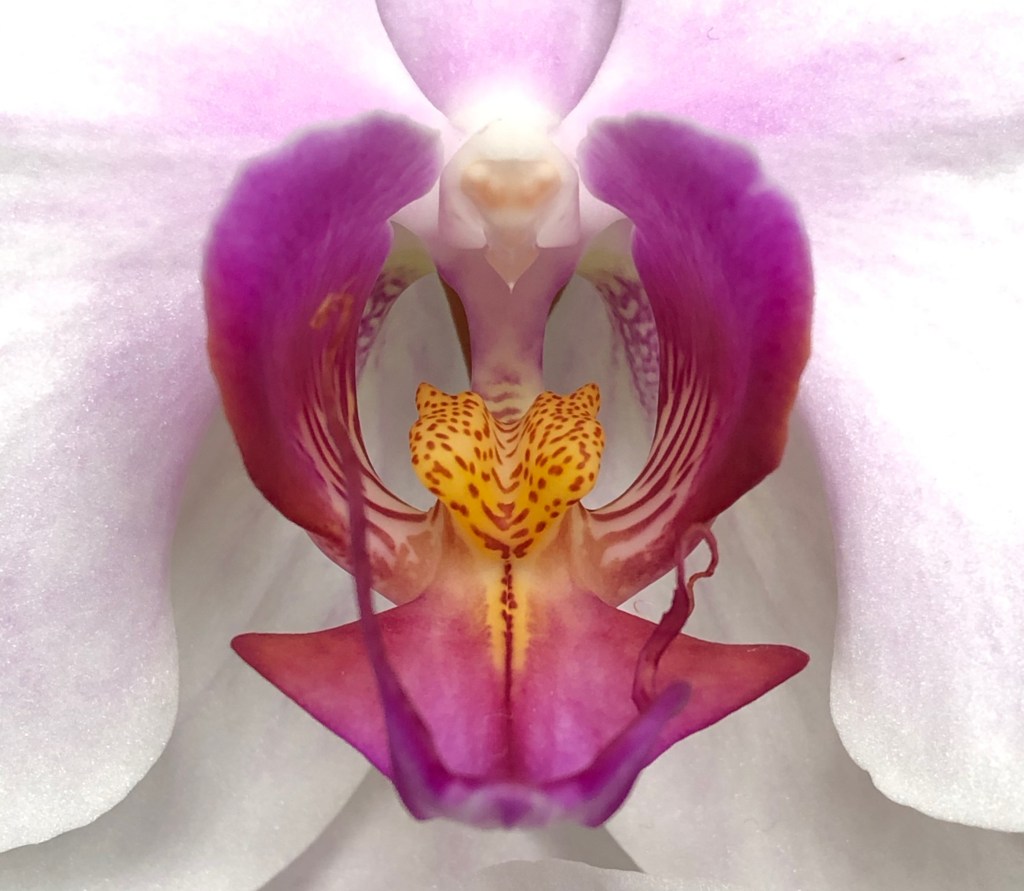
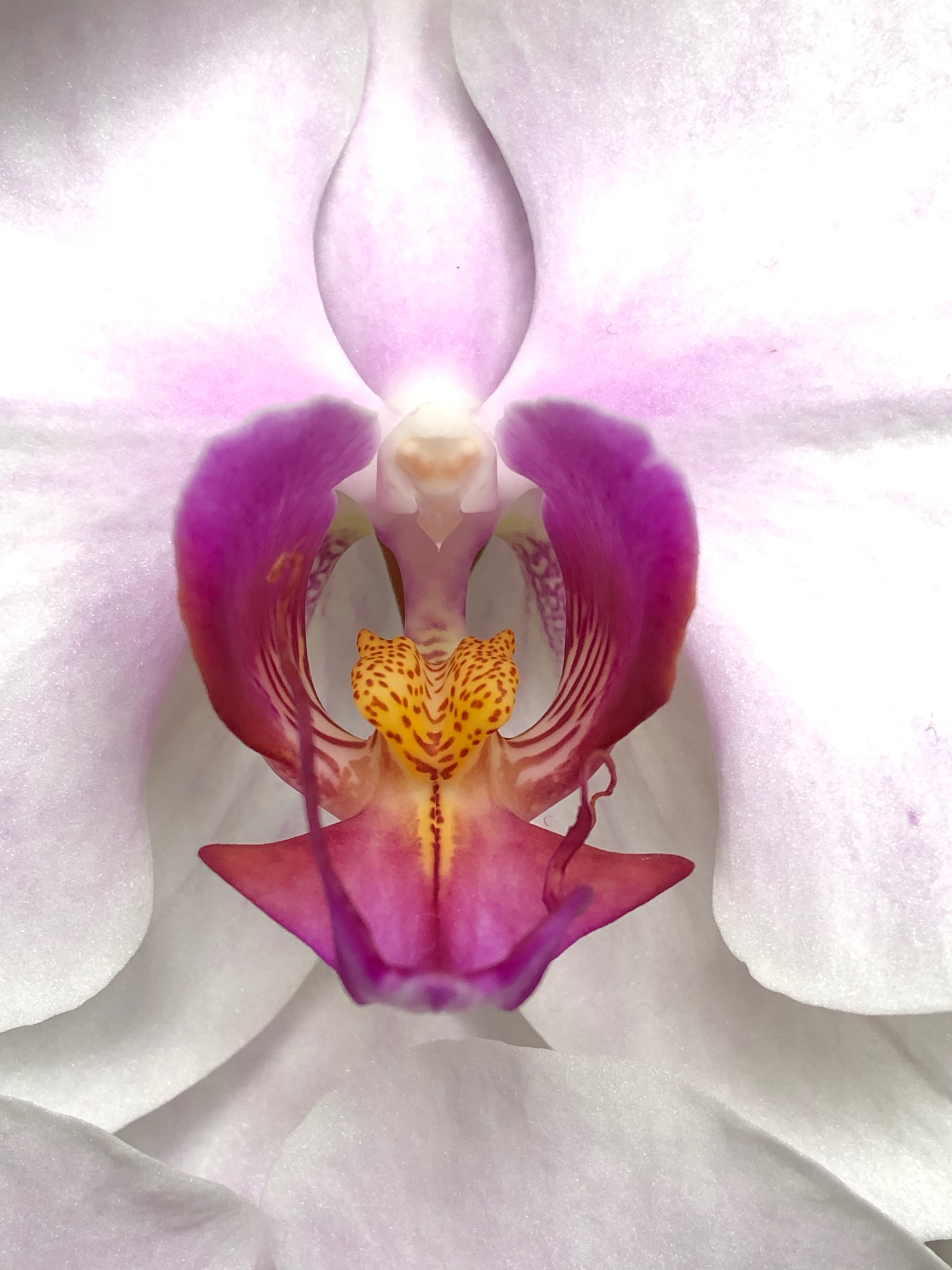
My husband was unnerved when I said that the pink Lady Slipper orchid (Cypripedium acaule), that has sprouted in the bed of pine needles near his mother’s house, looked like a grandpa’s testicle. He couldn’t unsee it and I cackled at his dismay. Later while reading the Orchid Thief (1998),I shouted out in triumph that ‘orchid’ was derived from Ancient Greek and means testicle, proving that I was no more or less obsessed with sex than my botanical forebears.
Bougainvillea
I hadn’t realized until I was making this list that when it comes to flowering plants, I have a strong preference for plants with inflorescences as opposed to a single flower on a stem. In addition to the modified magenta leaves or bracts seen on bougainvillea, I like spathes and spadices (e.g. peace lily, Anthurium, calla lily), catkins (e.g. pussy willow, chenille plant), racemes (e.g. foxglove), umbels (e.g. Queen Anne’s lace), panicles (e.g. wisteria), and whatever bird of paradise and Celosia argentea var. cristata are doing.
My favorite single flowers on a stem are peonies (i.e. what you would get if you had an overexuberant apprentice redesign roses) and the famed Semper Augustus tulips because they make me want to bust out my pencils and watercolors. Ball dahlias are exquisite as they look like math. They have an additional surprise in that– shazam— they are not a single flower, but are part of the tricksy Asteraceae family (https://en.wikipedia.org/wiki/Asteraceae) where what we think of as a single flower is actually a cluster of hundreds of flowers.
Frangipani
I am currently reading Ken Druse’s A Scentual Garden (2019) and a Logee’s catalog to find inspiration for plantings. As an adult who is living in a city apartment and who can’t “go outside to play”, I feel more and more distanced from the botanical scents of my childhood, cut grass, honeysuckle, and jasmine, to name a few. The most the city has to offer these days is the semen-scented street tree, the callery pear.
I will still get down low to sniff lilies of the valley. You have to get intimately close, practically horizontal to be rewarded with their transporting scent. But the smell I miss the most is frangipani, specifically one particular house on the way to my elementary school in Cali.
Redwoods
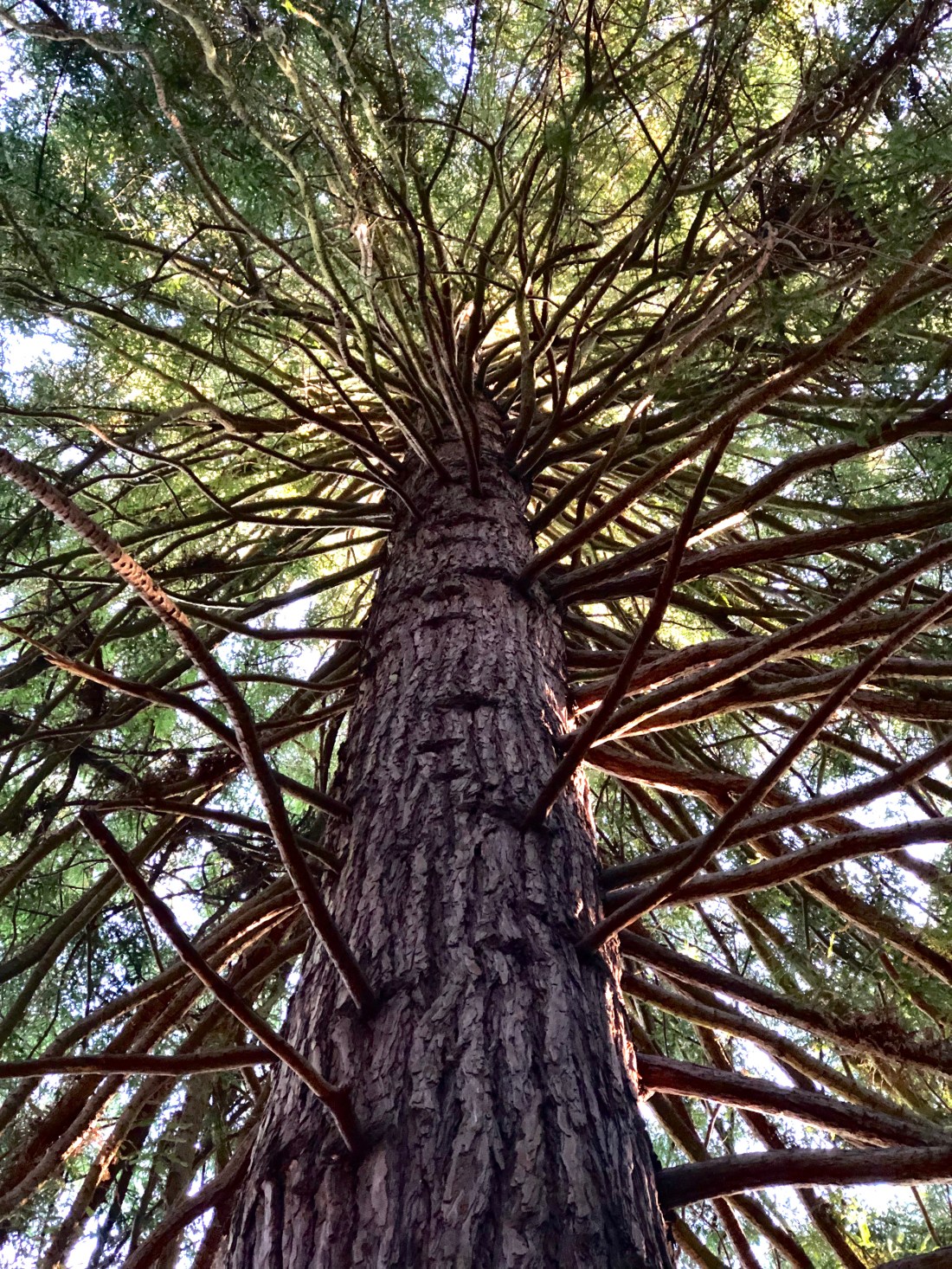
In the Redwood Grove of the San Francisco Botanical Garden. October 11, 2019.
Return of the Jedi (1983) was the best Star Wars. Princess Leia was obviously the hero, as she recruited a crack team of adorable and ruthless guerrilla fighters who were essential to the Rebellion’s success through niceness, positive energy, and fantastic hair. Duh. Plus she murdered a monster many times her size with her bare hands while wearing fashion. The other reason Jedi slaps was because of the Endor shooting location in the Tall Trees Grove in the Redwood National and State Parks of California. Those trees seemed so unbelievable and magical to me, like baobabs, too outlandish to be real. Okay, I admit it. I’m a bit of a size queen.
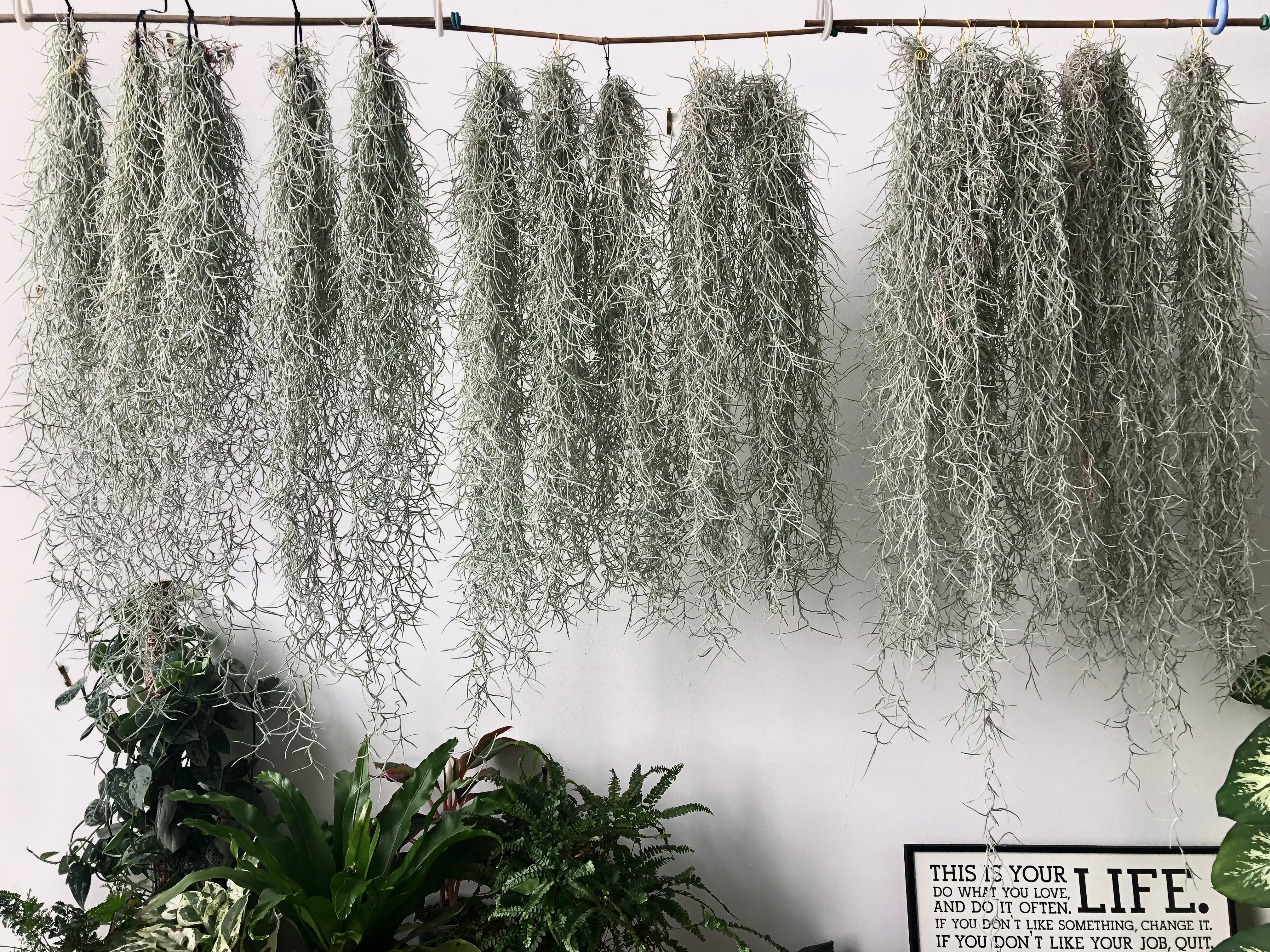
Spanish Moss
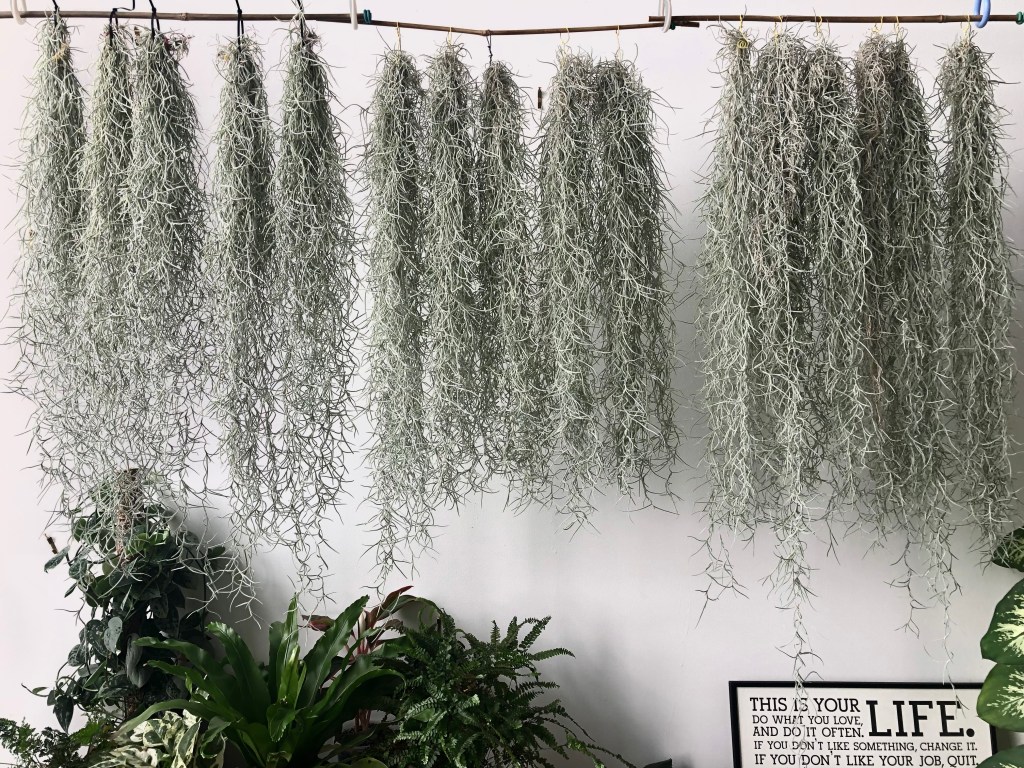
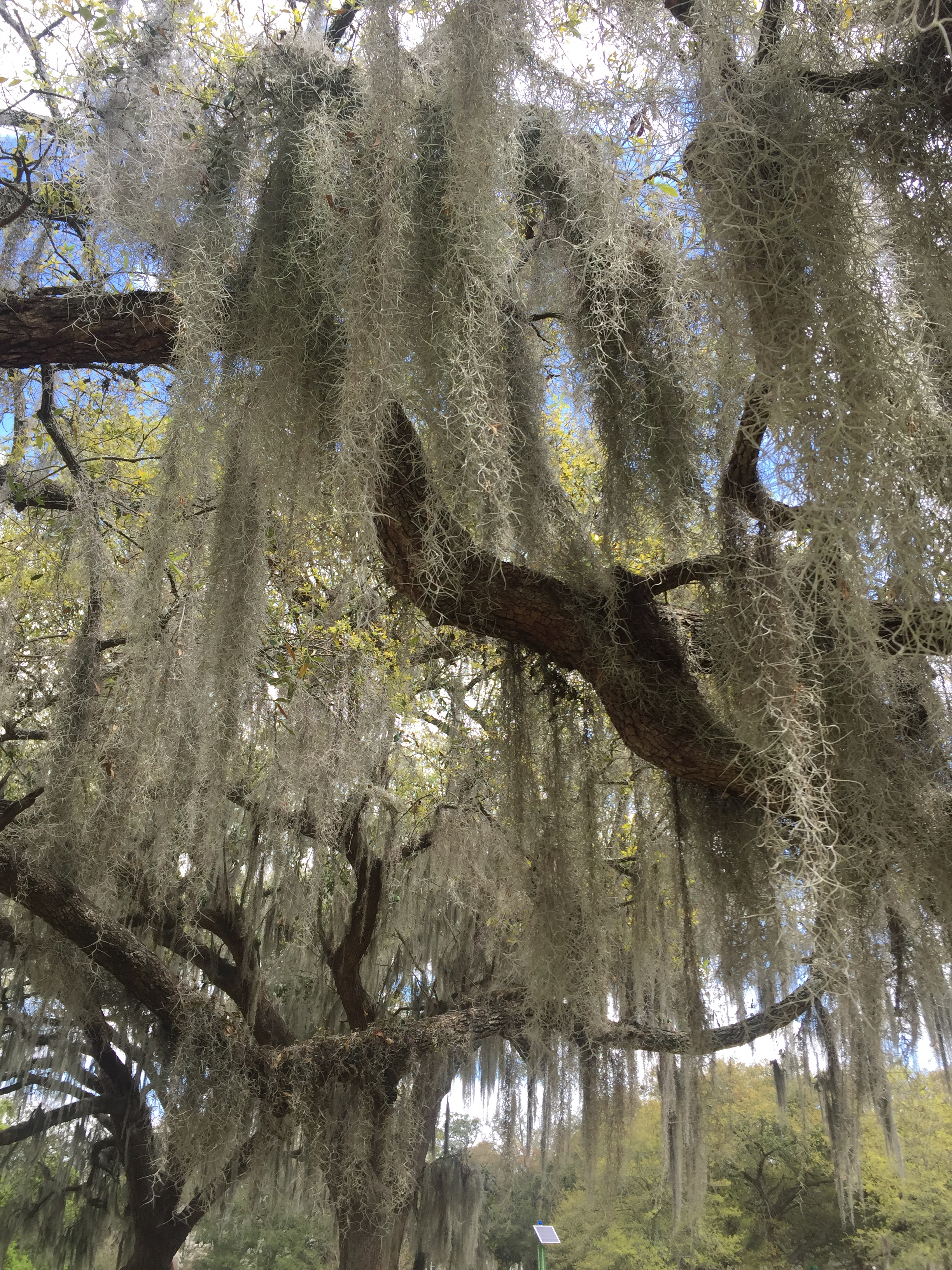
Spanish Moss (Tillandsia usneoides).
Much to my horror, my Haitian mother was not so interested in Christmas trees when I was little. One year when we lived in Miami, she insisted on gathering Spanish moss that grew wild on trees in the area. Using the moss as a stand-in for hay, she created a makeshift Christmas display in the living room where she nestled wooden figurines of Mary, Joseph, and the baby Jesus. I don’t remember if the Wise Men were there or not, but I may have tucked a bird ornament or two into the scene, figuring that birds liked miracles too.
Bonus: I asked my husband to make a similar list for me. His largely features plants from his childhood, especially those native/naturalized species whose utility is today underappreciated.
Sacred datura
The scrappy dandelion
Cattails, supermarket of the swamps
Lilypads (specifically New England Nymphae species)
Lady slipper orchids
Skunk cabbage
Plants that explode their seeds everywhere
Staghorn sumac
Phragmites
Oak
What are the top 10 plants that broke through your plant blindness? Tell me in the comments?








![In the Garden of Marni [Vogue]](https://punktropicale.com/wp-content/uploads/2021/08/vogue-in-the-garden-of-marni-screenshot-02.png?w=1024)











 Punk Tropicale