This virtual-reality project transforms you into a rainforest tree. With your arms as branches and your body as the trunk, you’ll experience the tree’s growth from a seedling into its fullest form and witness its fate firsthand.
The Multi-sensory VR setup for Tree. Credit: Xin Liu, Yedan Qian.
Involucrata, my newest project was initially conceived in late 2020 as “The Room.” It was to be much smaller, self-contained, and depending on your appreciation or fear of small spaces, far more claustrophobic. Budget constraints around the purchase and use of artificial lighting, as well as difficulties growing and maintaining my first choice of plants– various species of moss– led to a shift in focus, though I do intend to revisit the earlier womblike/tomblike concept of “The Room”.
Since then, the conception of “Involucrata”, as this iteration of the project is now called, has required further adjustments to my secondary plant selections. Before artistic considerations, here are the more mundane, budgetary, and biological constraints behind my current plant choices:
Modest humidity requirements;
Ease and speed of growth;
Commercial availability in the aftermath of COVID-19;
Ease of propagation from seed and cuttings; and
Plant susceptibility to pests.
Humidity requirements
Except for about three months in winter, relative humidity in my living/growing space stays around 50%, climbing to 60+% in the sweatiest part of summer. Any plant requiring consistently higher humidity than this is excluded from the project, with two important exceptions, Vanda orchids and rex begonia, because I hate myself and hairy stems are the new hair shirt.
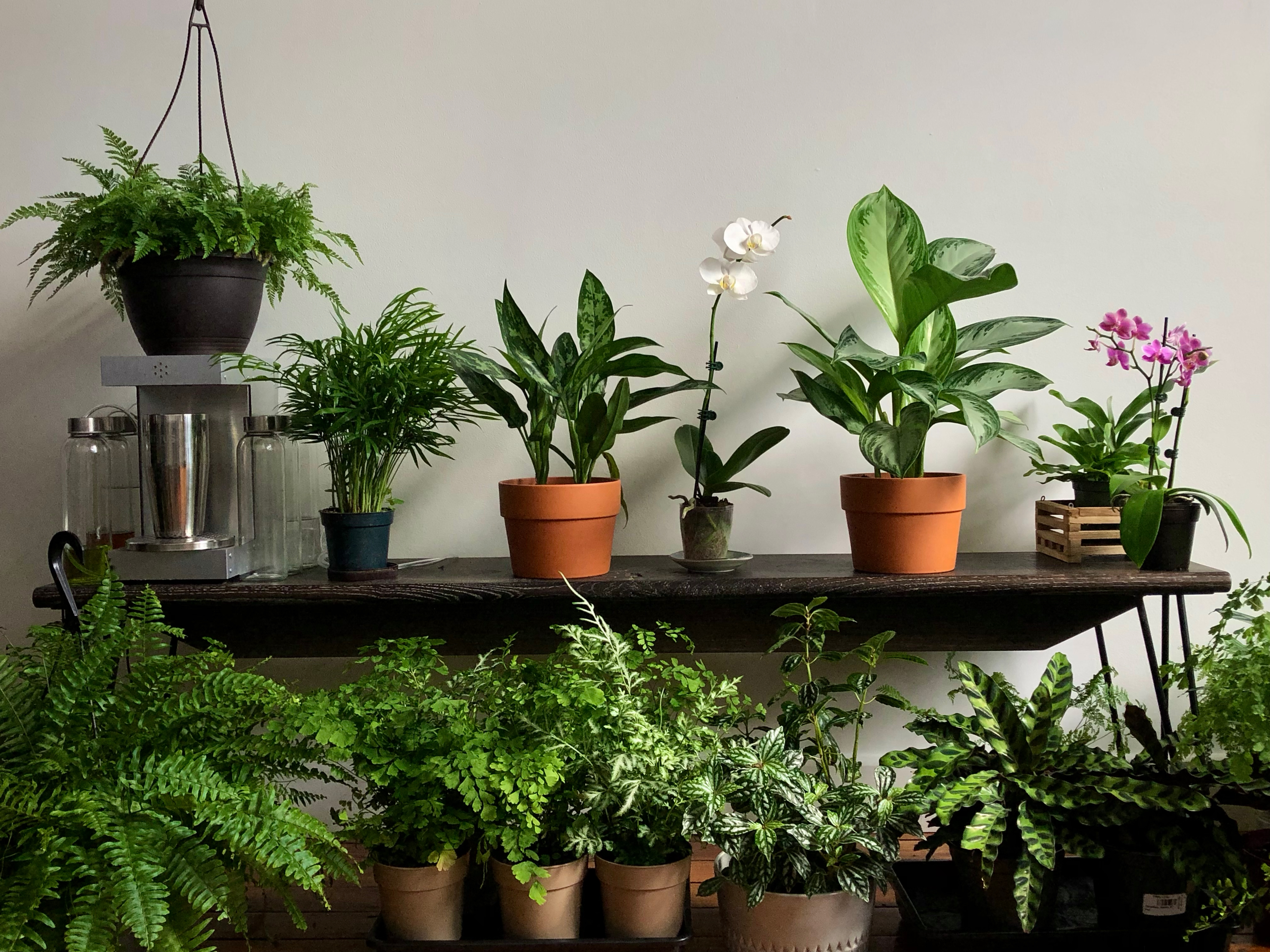
Self-watering pots seem a promising solution for specimens like maidenhair and Kimberly fern that can survive in lower relative humidity as long as their roots are constantly moist. Grouping multiple small plants into a single larger pot also seems to help as the lower surface to volume ratio results in slower water evaporation over time. Within the grow areas are some plants that Logee’s recommends growing in terracotta to ensure root health. Water evaporating from those pots seems to be helping neighboring Polly Prissy Plants.
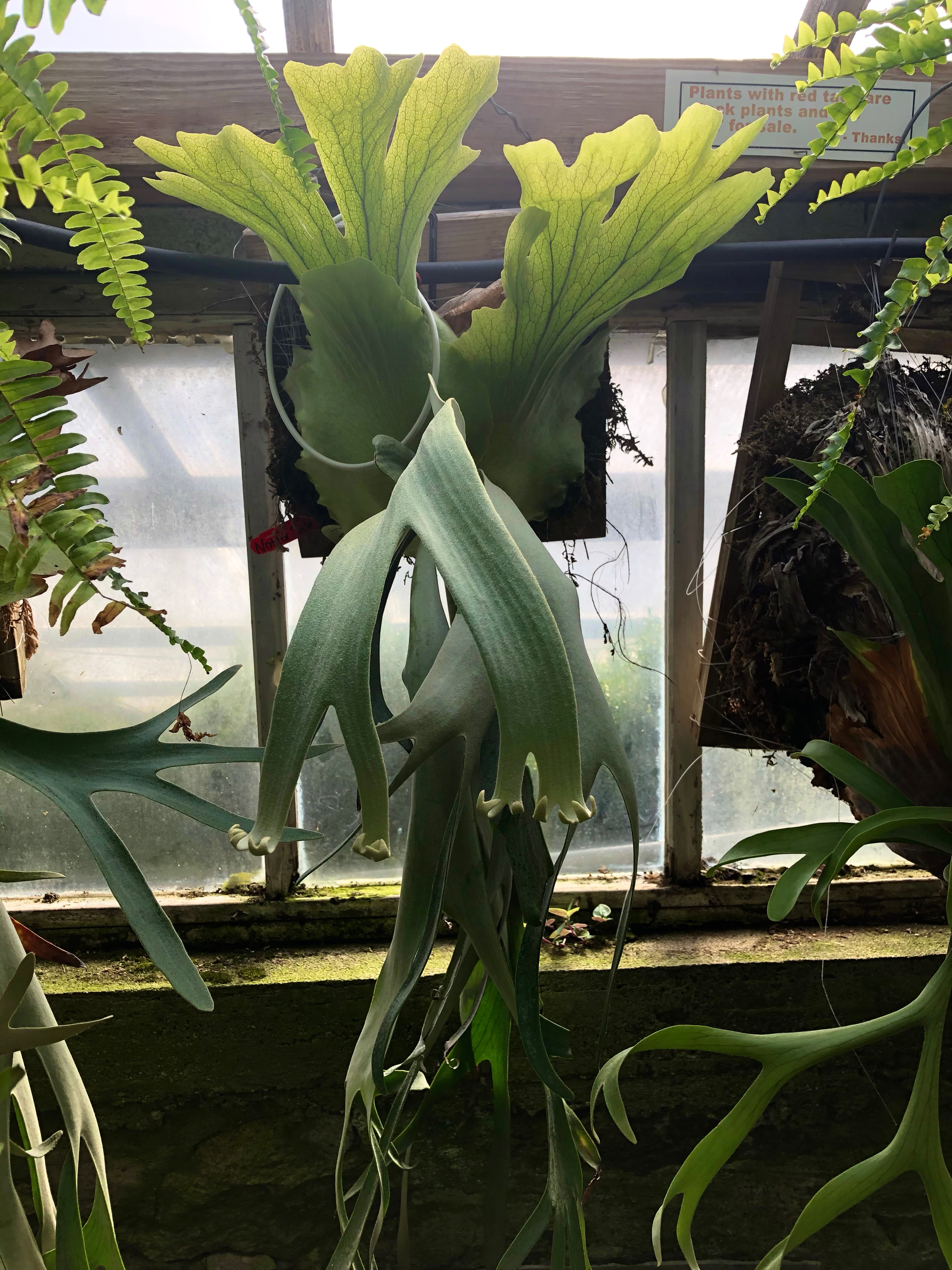
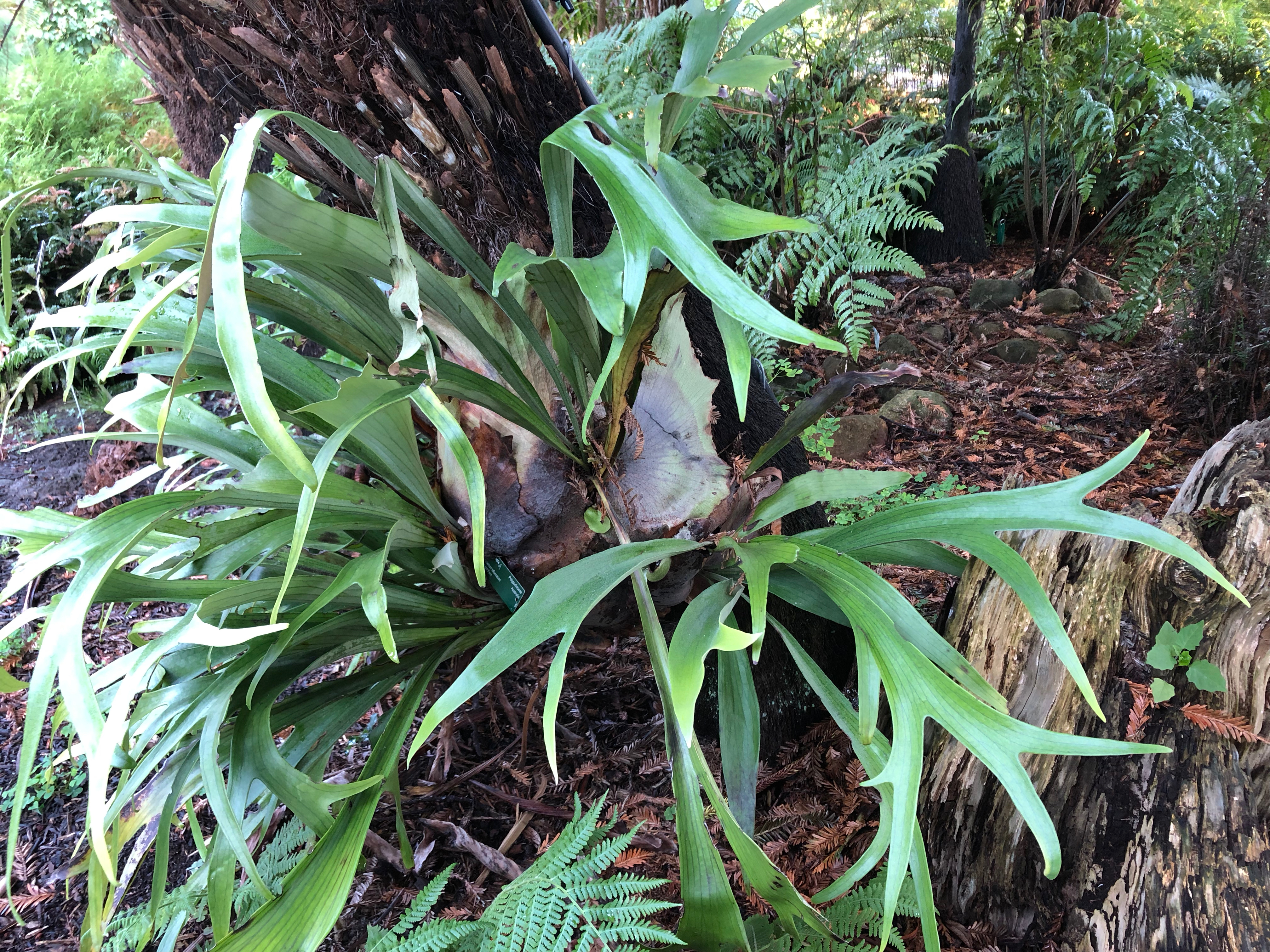
I’ve altered the plant list to include more epiphytic fern like Staghorn fern (Platycerium bifurcatum), Davallia spp., Asplenium spp., and Phlebodium aureum as opposed to Nephrolepis spp. I love the look of Boston Fern (Nephrolepis exaltata), but the cleanup is tedious so I’m limiting their number.
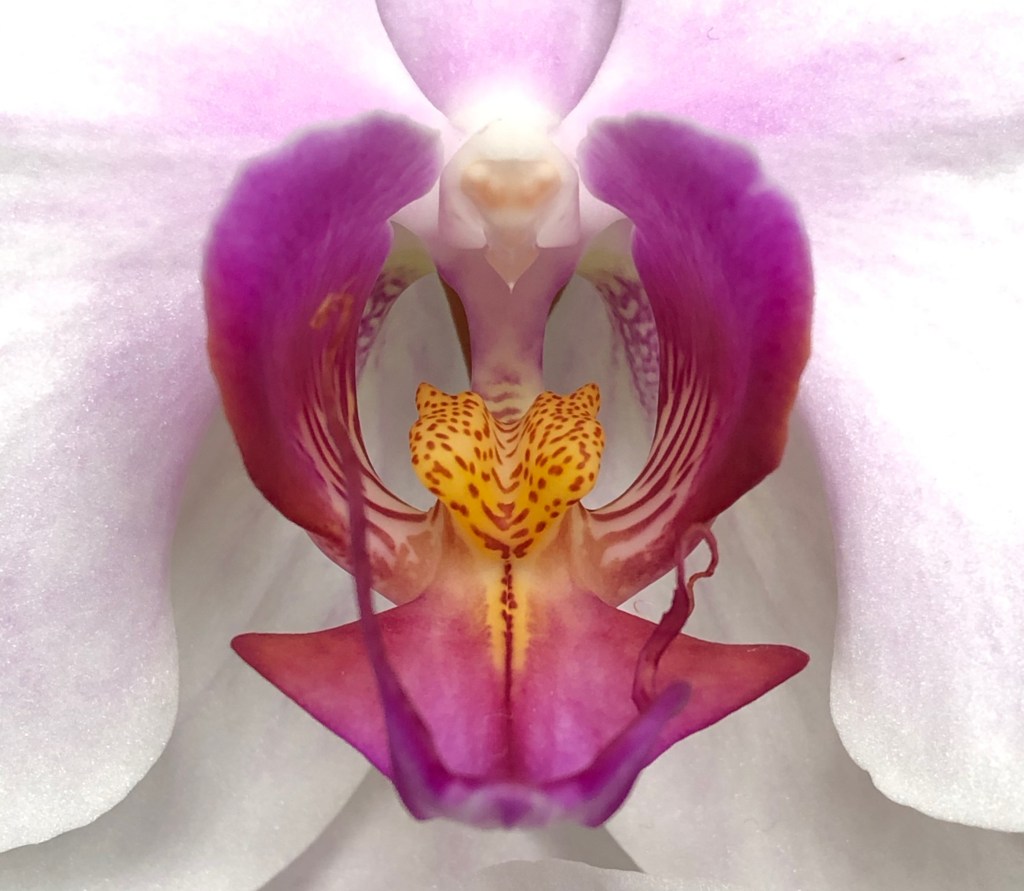
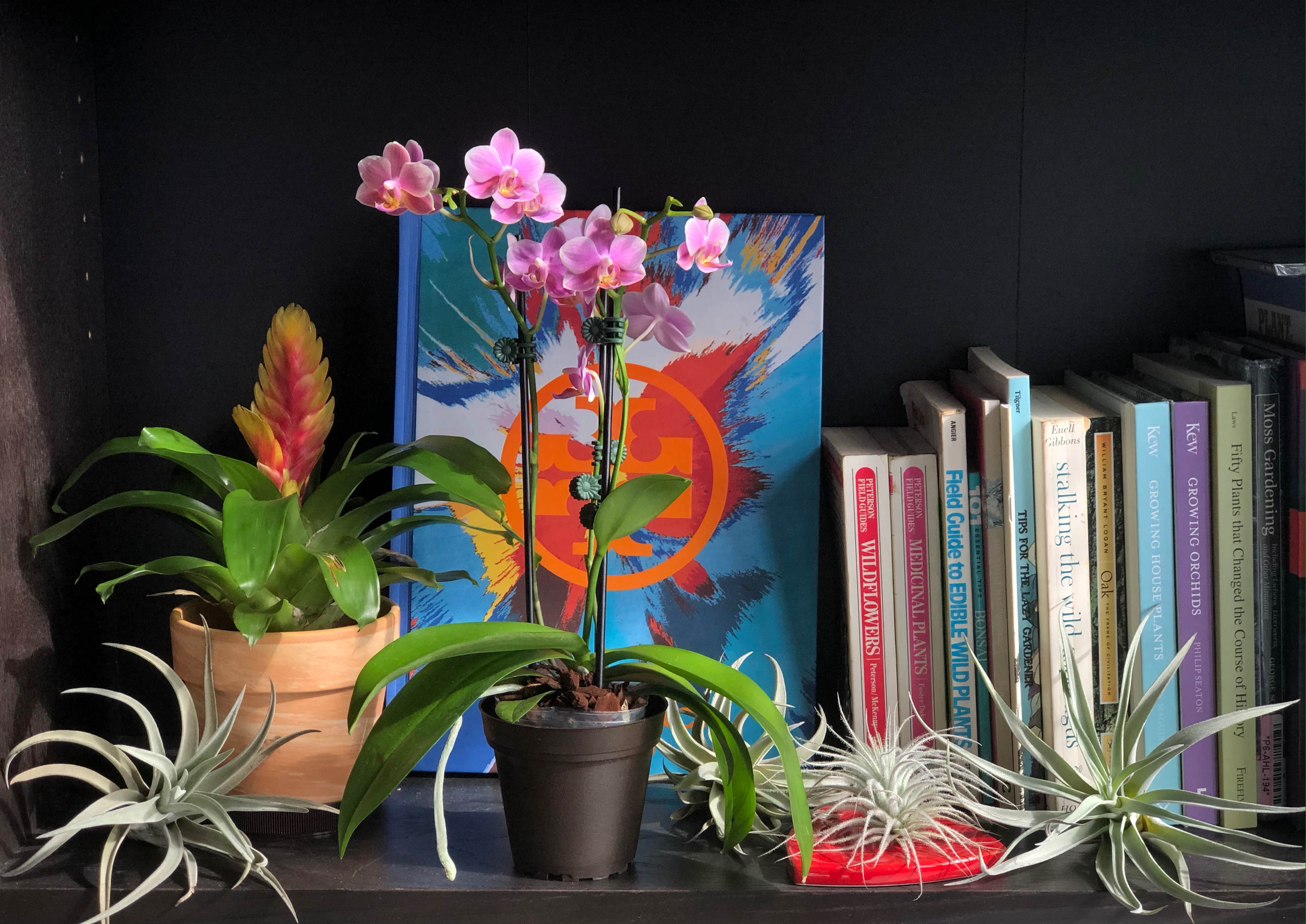
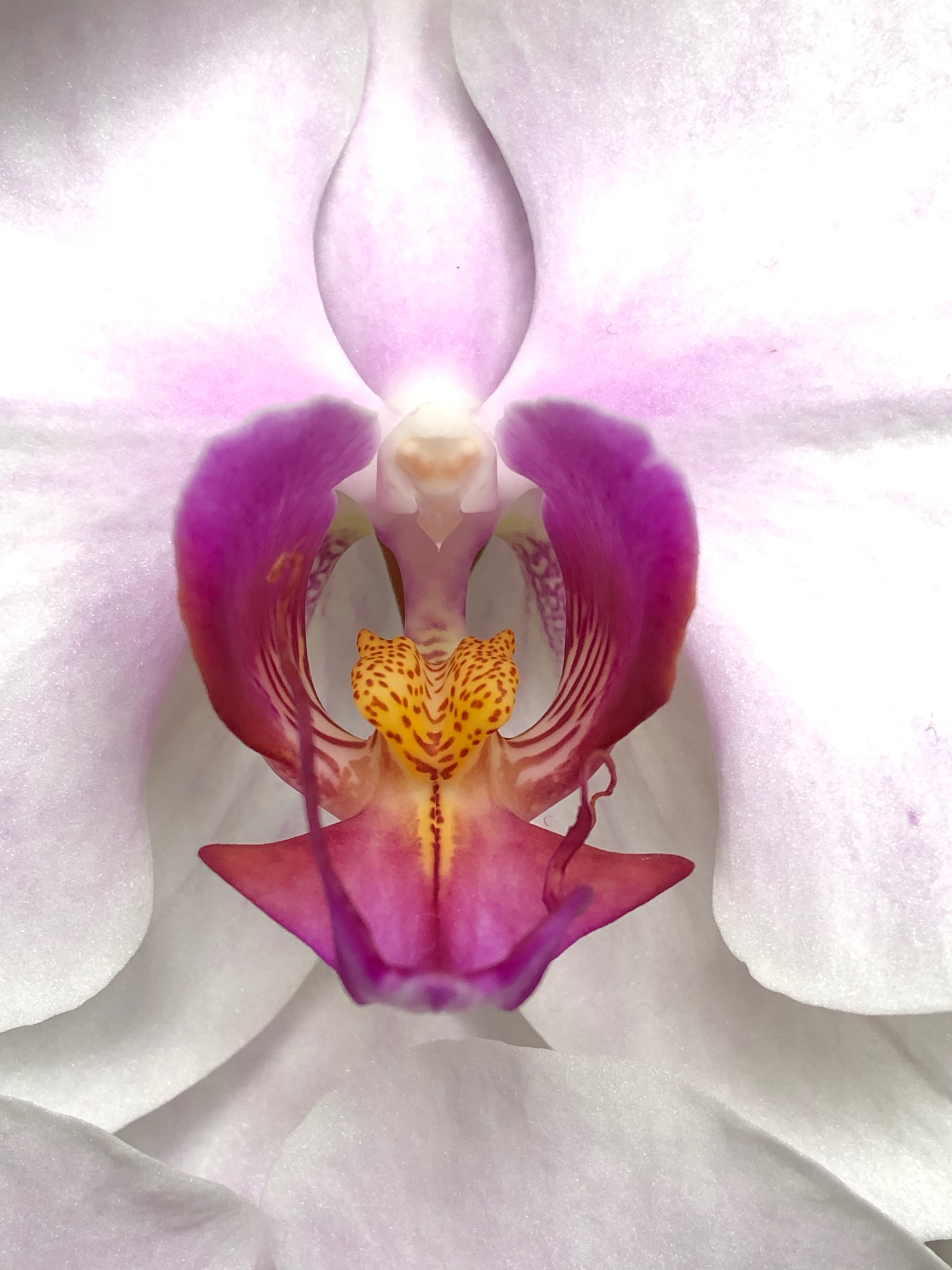
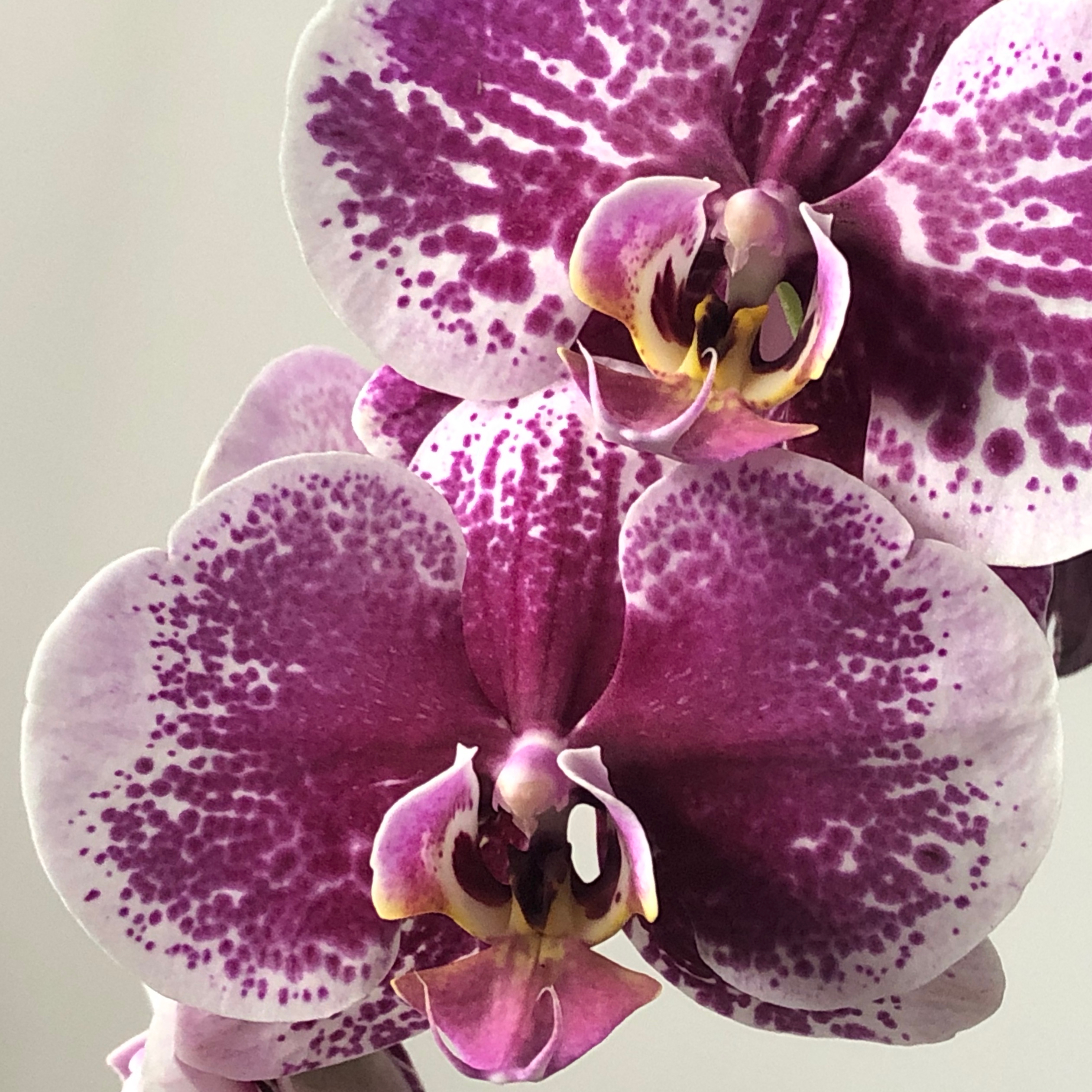
Much to my surprise, phalaenopsis orchids have proven this year’s MVPs. Thus far they have been the easiest to grow of all my plants save pothos. Due to their see-through pots, there is much less ambiguity over when they need to be watered. In addition, my growing space faces south-west. With the solar gain on sunny days and leaving windows open at night, I habitually see the 10-15 degree daily swings in temperature that the plants prefer. The second of four is about to flower, with the other two producing new leaves. I’ll be increasing the number of phals and experimenting with water culture (i.e. ½ to ⅓ of the roots in water), mounting on cork bark, and keiki paste. I like living on the edge.
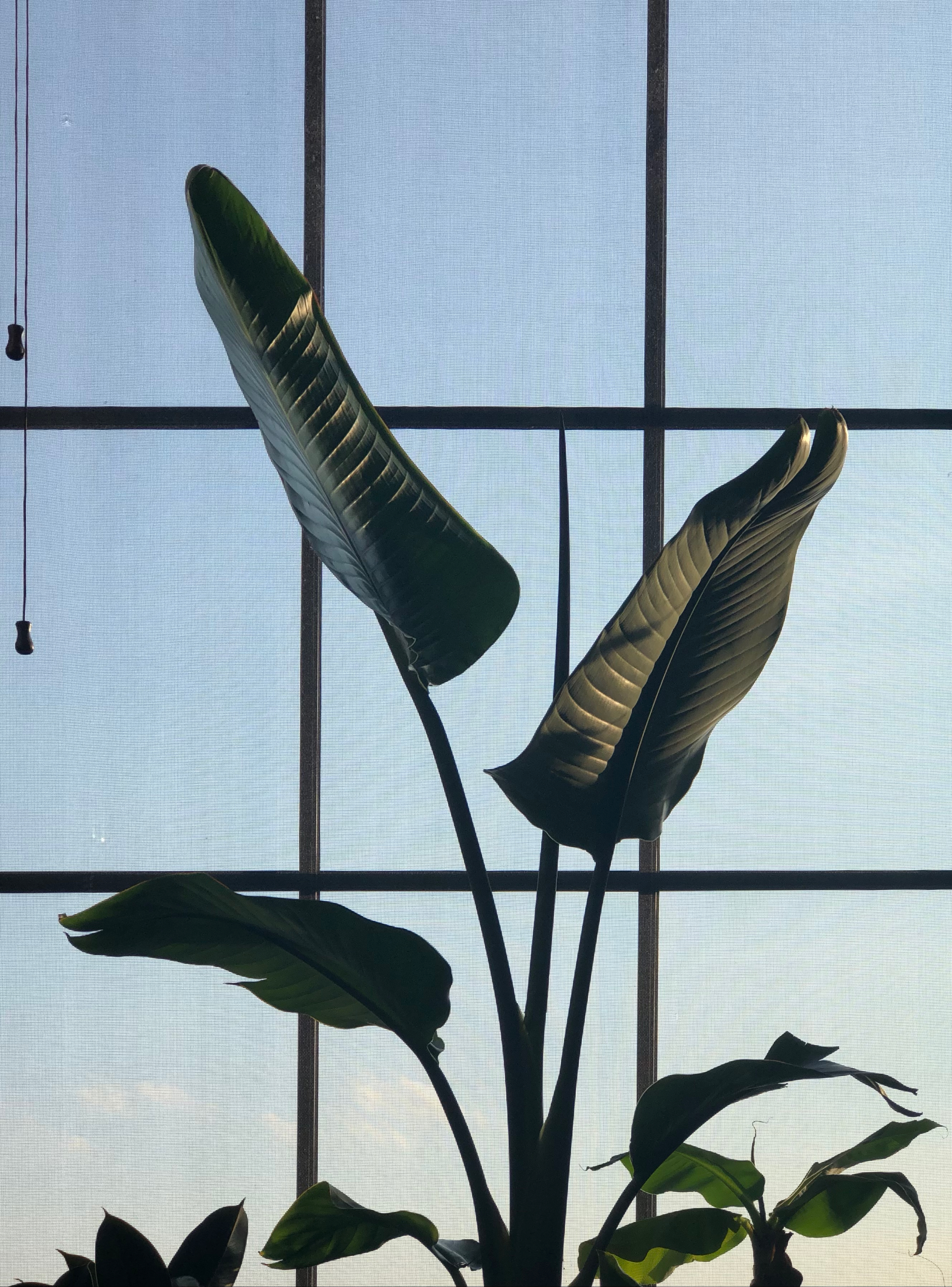
My birds of paradise seem to be doing relatively well. My original specimen arrived with a mealy bug infection which I defeated, but I’m now in a constant battle with spider mite. Despite this it is still growing strong and putting out new leaves at a rate of about 1-3 every month in the spring and summer.
My Ficus elastica and ZZ plants (regular, dwarf, and raven) have been given places of honor in bright spots. While they can tolerate low light, I’m rather fond of their resilience and want to see them thrive, rather than just barely survive. In bright light they can be quite vigorous growers. For the ficus in particular, I need to research how to promote aerial roots. They are so creepy and fun.
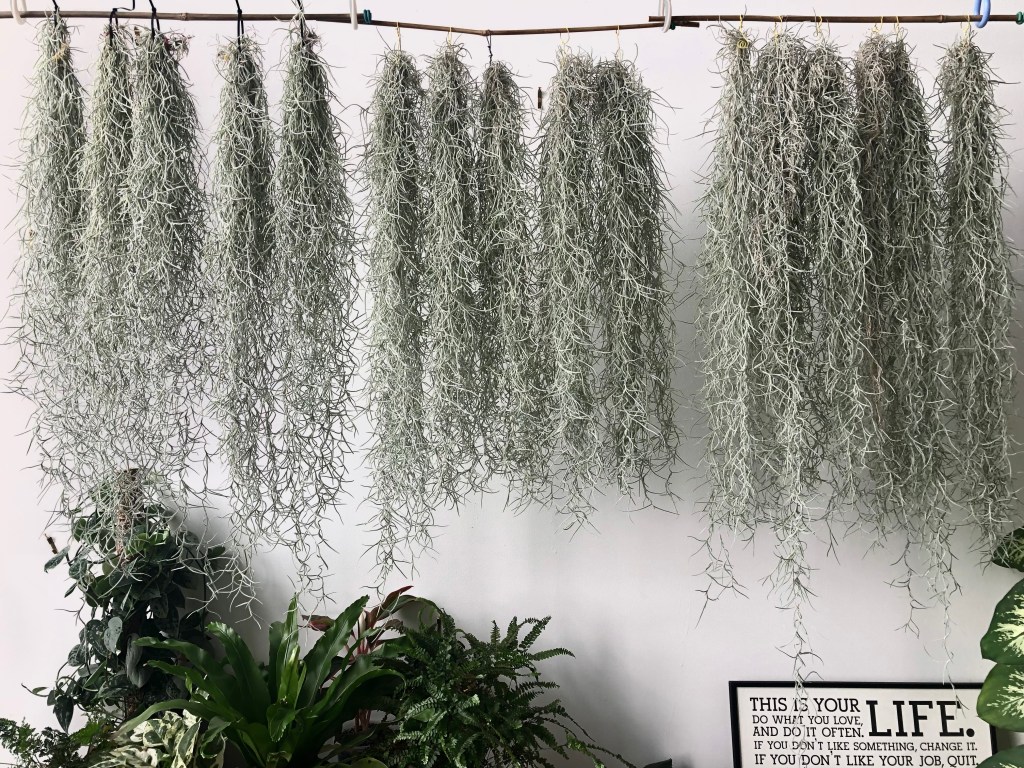
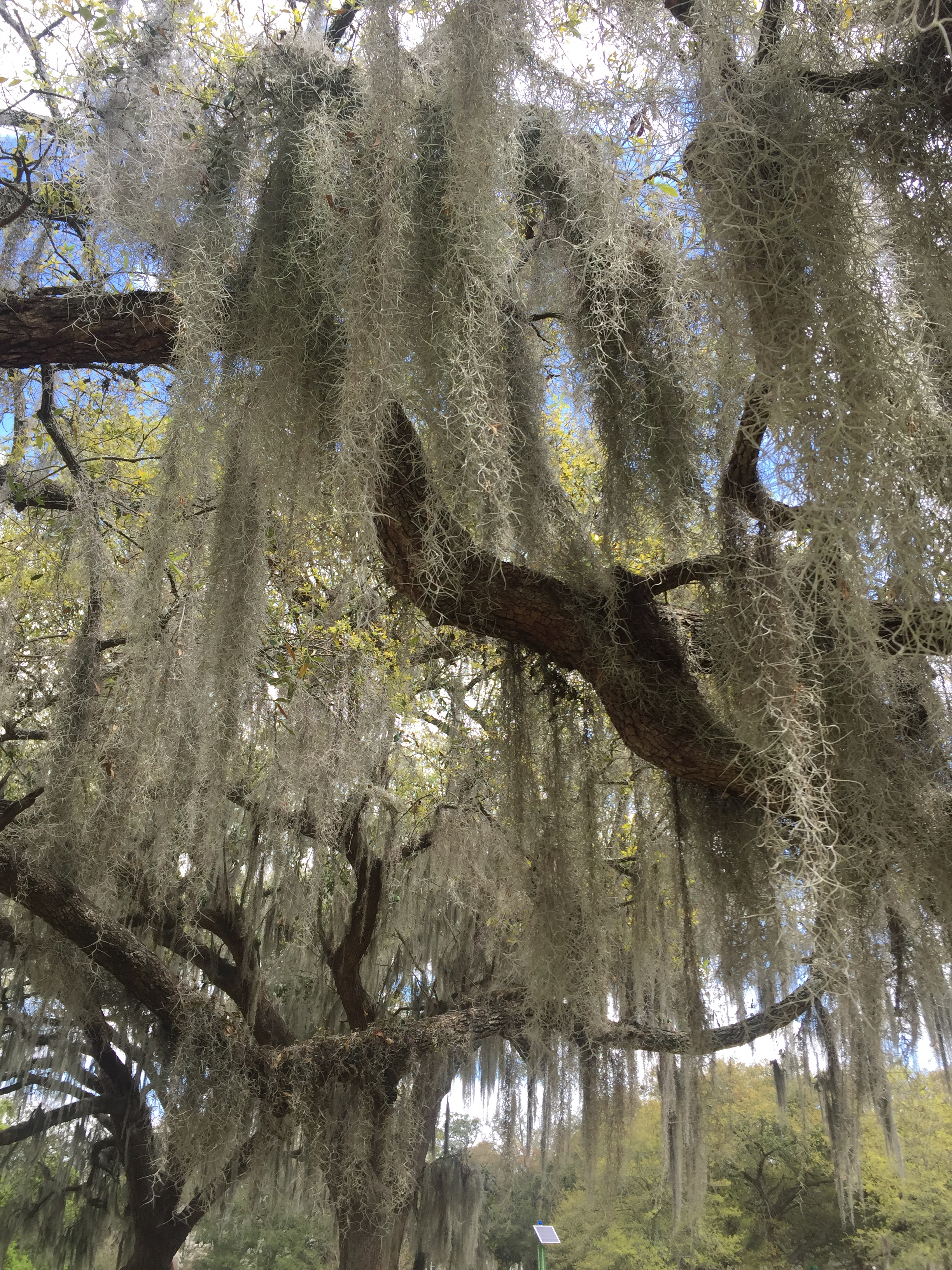
I’ve suddenly grown keen on members of the Bromeliaceae family, especially Tillandsia, as well as epiphytic cacti, sometimes referred to as jungle cacti. I’m trying my hand at growing dragon fruit (Hylocereus undatus) from fresh seed since they sprout readily and have rescued a few cuttings that were Frankensteined to create “Moon cacti”.
Commercial availability in the aftermath of COVID-19
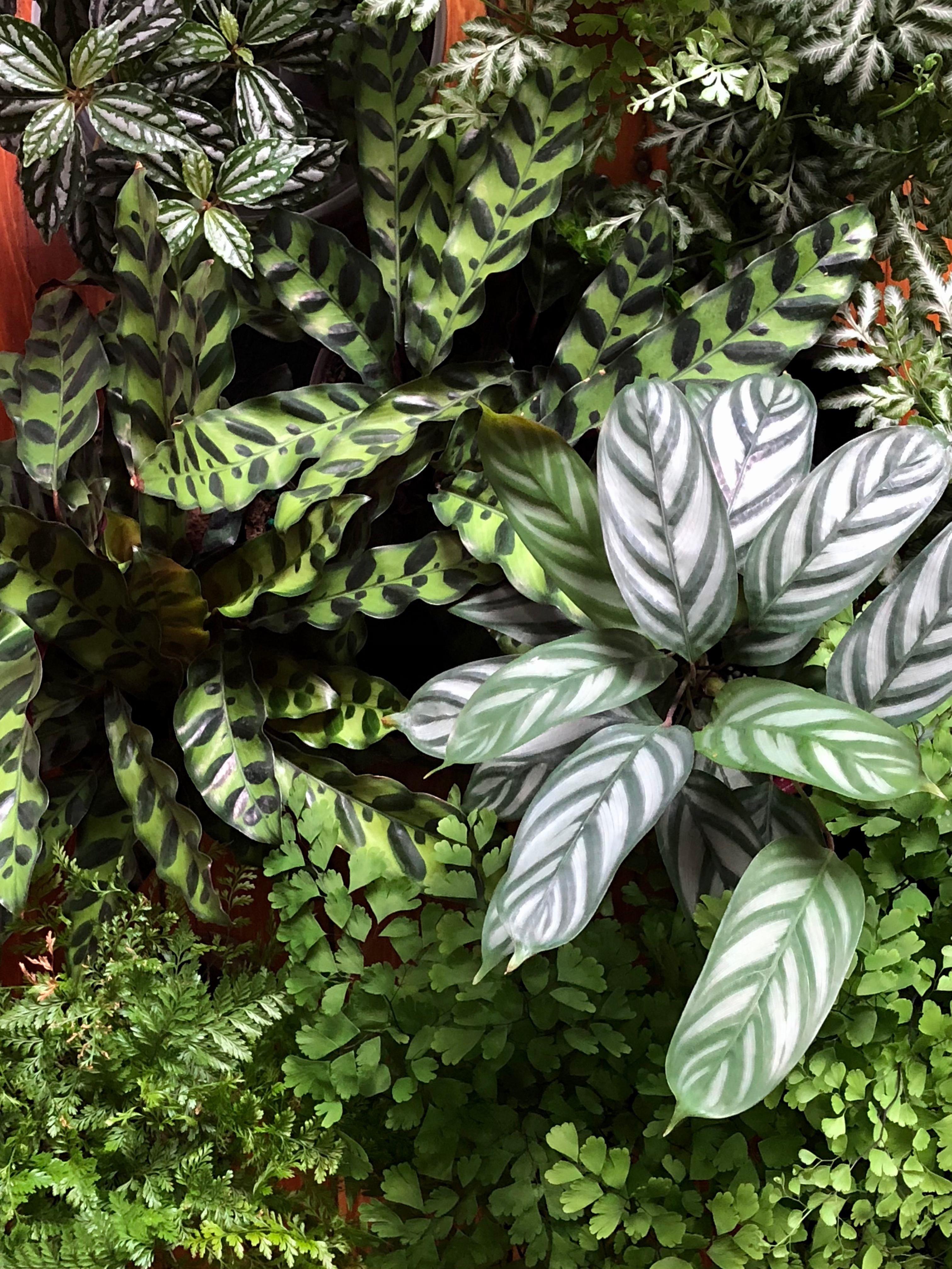
Likely due to personnel constraints in the face of the COVID-19 pandemic, I’m finding that many of the old standbys at my preferred local/regional nurseries are looking a lot less healthy this year or are simply unavailable, most notably Maranta spp. This is pushing me out of my comfort zone and into more propagation.
Ease of propagation from seed and cuttings
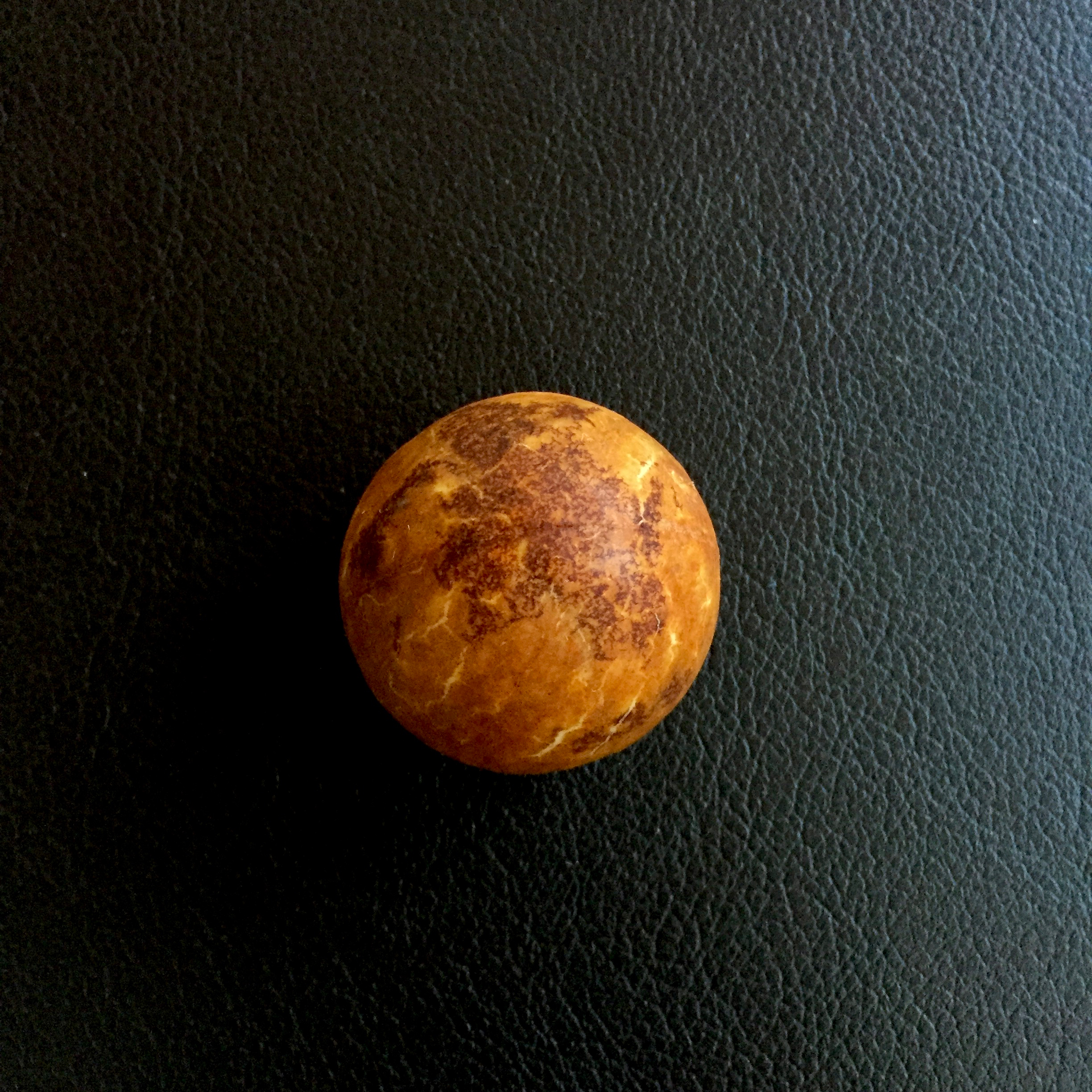
A Strelitzia reginae seed. Photo: Cat Laine.
So far, I’m growing Monstera deliciosa, mimosa, Strelitzia reginae, S. nicolai, two cultivars of nasturtium, lychee, avocado, dragonfruit, foxtail fern, and lemons from seed. It’s a slow process and I struggle with the establishment phase. I seem to be getting better as I persevere. The only way you don’t get better is if you give up too early, I suppose.
I can’t find Fatsia japonica or Gunnera manicata* locally so I’m going to try to grow them from seed. I had the most terrible experience with garden center palm trees and scale so I’m going to grow a few palms from seed as well. While achingly slow, one benefit is that plants grown here will be perfectly acclimated to their environment and not have to go through the sad adjustment phase that nursery grown specimens sometimes suffer when taken from their perfect light, perfect fertilizer penthouse accommodations.
(*Note: Gunnera is an absolute monster of a plant. It is in no way a houseplant. It’s nickname is dinosaur food after all. But I do want it to have a starring role in the project and theoretically growing it in a container will constrain it somehow. Theoretically. It is here that I should mention that my husband is really fucking cool and a great enabler of my schemes.)
Plant susceptibility to pests
The final factor influencing my plant selection is susceptibility to pests, namely the unholy trinity of spider mite, mealybug, and scale. This is where the heartbreak is. Plants prone to overwhelming spider mite infestation such as Alocasia amazonica are simply out. Banana and colocasia are on the verge of losing their spots. Strelitzia puts up a good fight so it’s in by a hair.
Mealy bug infected plants I will try to save as I’ve had some success when inspired by a spirit of ruthlessness. One favored foxtail fern had all its leaves removed, all the dirt washed from its roots and weird root nodules, followed by a 5 minute dip in a 5% bleach solution to rid it of mealybugs once and for all. I’ll report back if it recovers. My Hoya carnosa is being treated more gently.
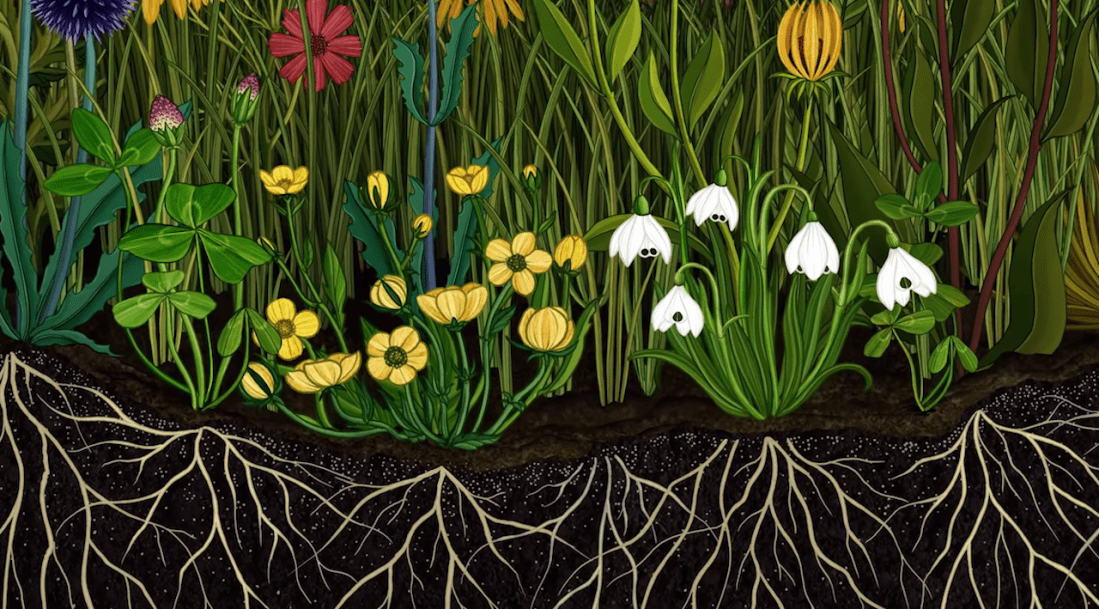
Directed by : Azuma Makoto Illustration by : Katie Scott Animation by : James Paulley Visual Supervisor : Shunsuke Shiinoki Project Management by : Eri Narita
Involucrata, launching in June 2022, will be part experiential public installation, part future history diorama, staged as a window display. Viewed from the inside, it will be a stylized tropical plant filled landscape that is welcoming, safe, and beautiful. From the outside, it is a diorama where the endangered of the Anthropocene era are examined. Window glass will separate our present from a nature-depleted dystopian future.
Inspiration for the exhibit interior: Zep, The End, 2018. Panels from the bande desinée.
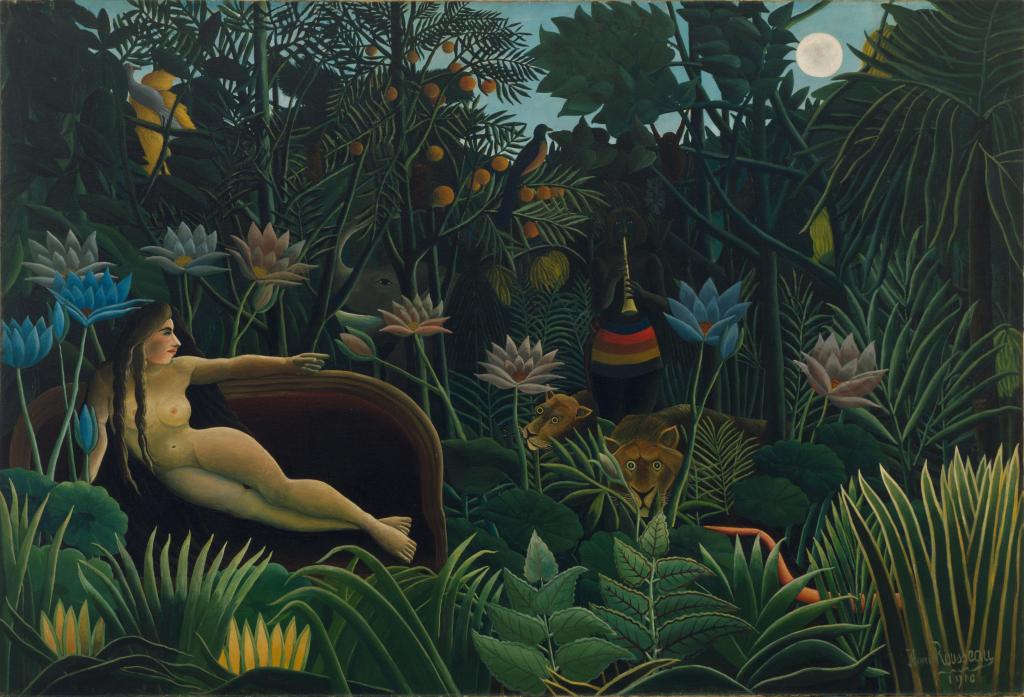
Involucrata, launching in June 2022, will be part immersive botanical installation, part diorama. The proposed two-week installation, to be situated in an empty storefront in Woonsocket, will be filled with plants ranging from typical house plants to agricultural crops of tropical origin to less common botanical specimens, largely from Central and South America, with a few from South East Asia and Oceania. Inside the exhibit, attendees step into a stylized landscape inspired by the imagined wilds of Henri Rousseau’s The Dream and real, though contrived, spaces like Las Pozas in Xilitla, Mexico, the Jardin des Plantes in Paris, and Gardens by the Bay in Singapore. Involucrata is botanical Latin derived from the word ‘involvere”, to wrap. Inside the piece, attendees will feel wrapped in a heightened sense of nature’s embrace, specifically in a refuge away from technology. The goal is to invoke a tropical rainforest, with a “canopy” filled with epiphytes, arching palms, vines, and banana-like trees. I envision a space of calm, welcome, and safety that can fulfill attendees’ emotional need for reconnection with nature.
Star Trek: The Next Generation, “Encounter at Farpoint” Pt. 2, 1987. Riker enters the holodeck.
Inspirations for the exhibit interior: stylized landscapes of Henri Rousseau’s The Dream, Las Pozas in Xilitla, Mexico, Star Trek: The Original Series, and Star Trek: The Next Generation‘s holodeck.
Viewed through window glass on the outside however, the piece is a natural history diorama where the endangered of the Anthropocene era are examined. As attendees inevitably pause to take shots for Instagram, they become a tableau vivant of our current and varying feelings about nature and what we stand to lose in the face of climate change and widespread environmental degradation.
Still from Andrei Tarkovsky’s 1972 film, Solaris. Around 16 min into the Criterion Channel version.
In addition to the external frame of the window, there will be a secondary internal frame made of computer cables reflecting the last 40 years of technology. Their Gigeresque arrangement with mirror the natural vines, while also showing that technology and nature failed to strike a balance.
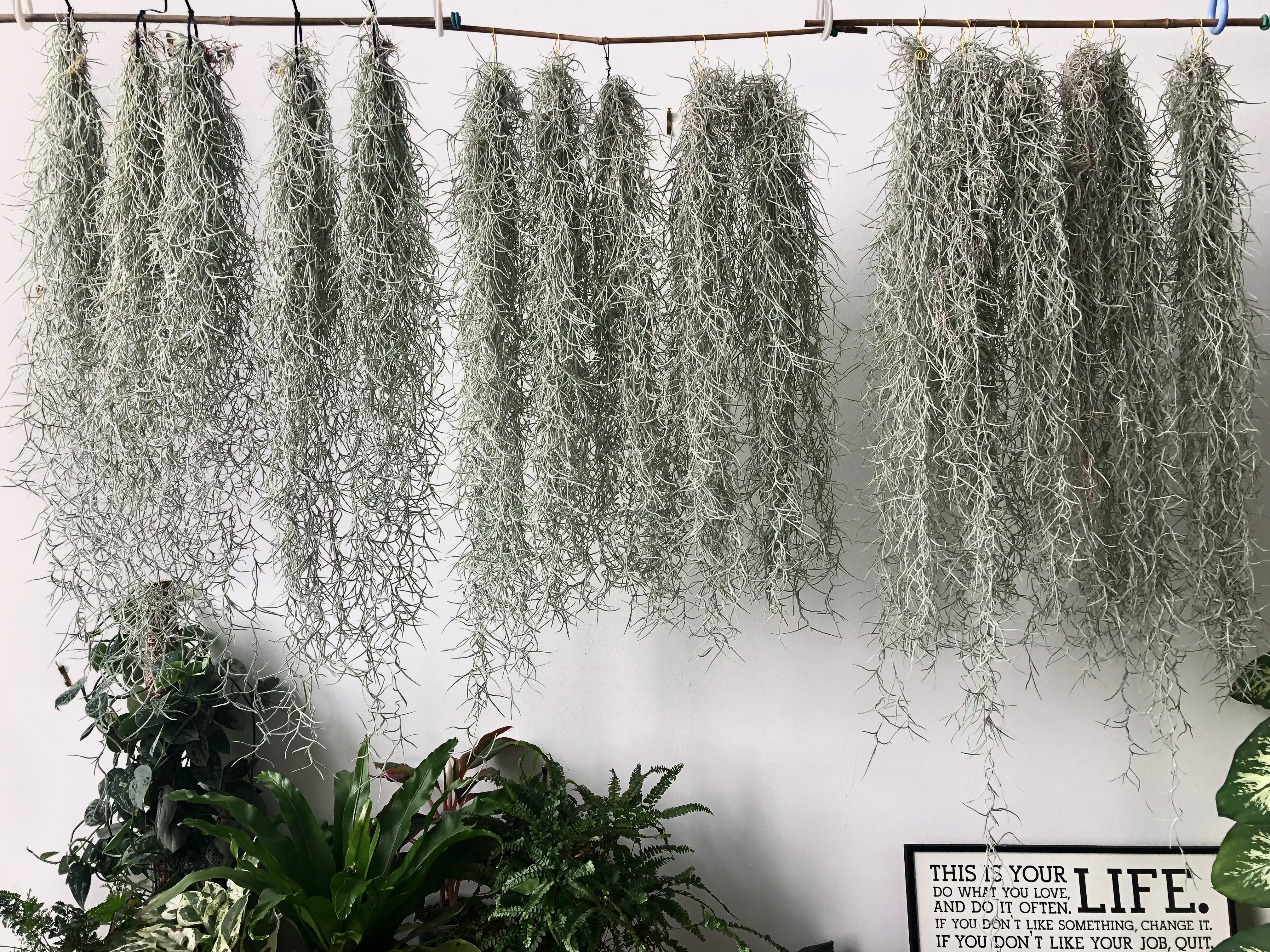
Test of piece for exhibit entrance featuring electronic cables, tillandsia, and pothos.
Inside, thus, is an idealized picturesque present where direct interaction and kinship with nature, whether cultivated or wild, is possible. Outside is a dystopian future where that relationship has been permanently ruptured and turned into a historical artifact.
Funding provided in part by a grant from the Rhode Island State Council on the Arts, through an appropriation by the Rhode Island General Assembly, a grant from the National Endowment for the Arts and private funders.




![In the Garden of Marni [Vogue]](https://punktropicale.com/wp-content/uploads/2021/08/vogue-in-the-garden-of-marni-screenshot-02.png?w=1024)














 Punk Tropicale