My Beautiful Green Misted Fantasy: My Top 10 Sources of Plant Inspiration

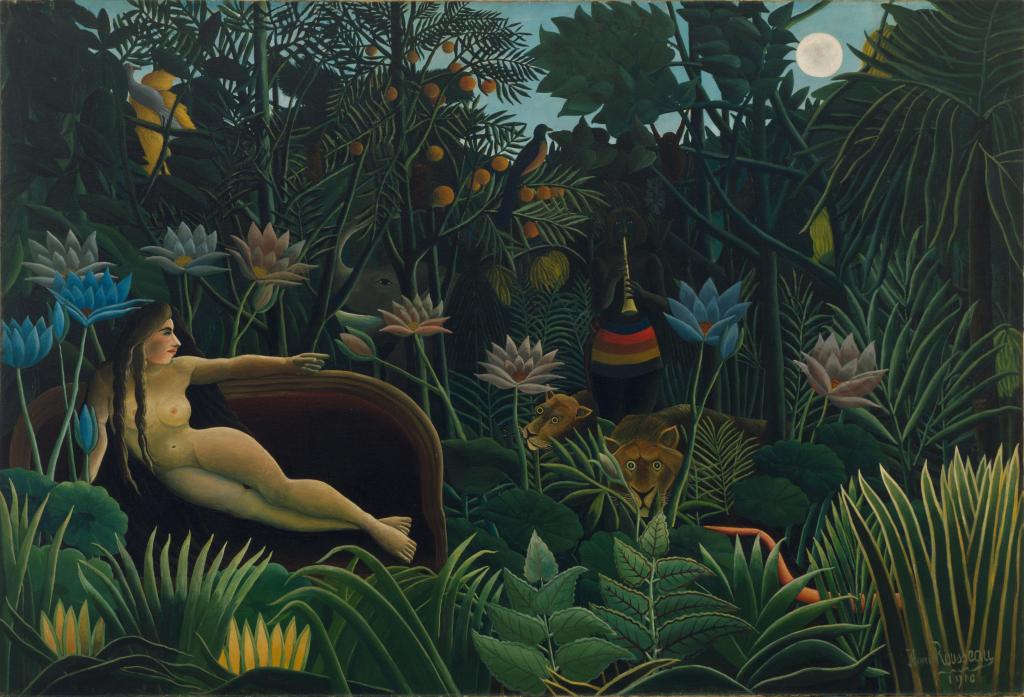
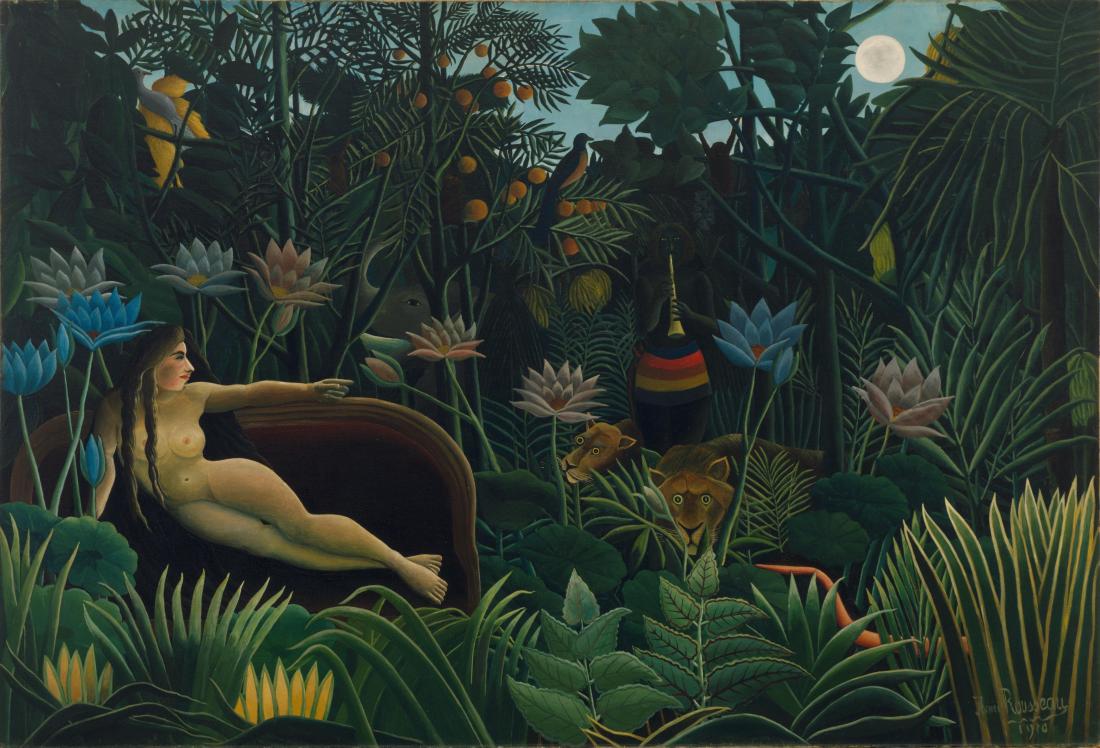
Henri Rousseau, The Dream, 1910, MoMA

It’s so easy, while trapped in the infinite Instagram scroll of other people’s things, to be seduced by a plant’s trendiness to think that I actually want to grow it. Or worse, for me to want to make my own plant collection a clone of some influencer/educator. This post is me stepping away from what I think is aesthetically beautiful on someone else’s timeline and delving deeper into what sort of plant filled sanctuary I wish to create.

When I close my eyes and envision a beautiful green misted fantasy, what do I see? 

  1. Henri Rousseau’s The Dream
Intrusively lush, large leafed plants. Henri Rousseau, The Dream, 1910, MoMAAudio description of the painting.

Former customs agent turned fine artist Henri Rousseau didn’t leave Paris for inspiration when he painted his imagined versions of tropical forests in the late 1800’s and early 1900s. According the Anne Tempkin, the chief curator of painting and sculpture at the Museum of Modern Art in NY where you can see the painting in person, “[Rousseau] got all of his knowledge for the horticultural details by going to the botanical gardens in Paris, by going to the zoos to look at the various birds and animals, by reading lots of magazines that came out at the time that were charting the sort of exotic places that travelers and explorers were just starting to go to on other continents.”

The Dream is perhaps the best distillation of my imagined plant-filled paradise: me in effortless repose ensconced amongst the plants, especially intrusively lush, large leafed plants. For a real life example of what day to day life surrounded by so much green would be like, I look to Hilton Carter’s beautiful Baltimore home and studio.

My picks: Gunnera spp., Strelitzia nicolai (white bird of paradise), Strelitzia reginae ˆ(orange bird of paradise), Heliconia wagneriana, Heliconia rostrata (lobster claw), Vriesea splendens (flaming sword bromeliad), Tillandsia cyanea (pink quill),  Musa acuminata (dwarf Cavendish banana), Colocasia esculenta (taro), Dieffenbachia spp., Spathiphyllum wallisii ‘Sensation’ (a large leafed peace lily), Monstera Deliciosa, Aglaonema nitidum (Chinese evergreen), Medinilla magnifica (I know this plant is going to be a heartbreaker, but I want to try anyway).

Heliconia wagneriana in The Queen’s Gambit (2020) S1E4 Middle Game.
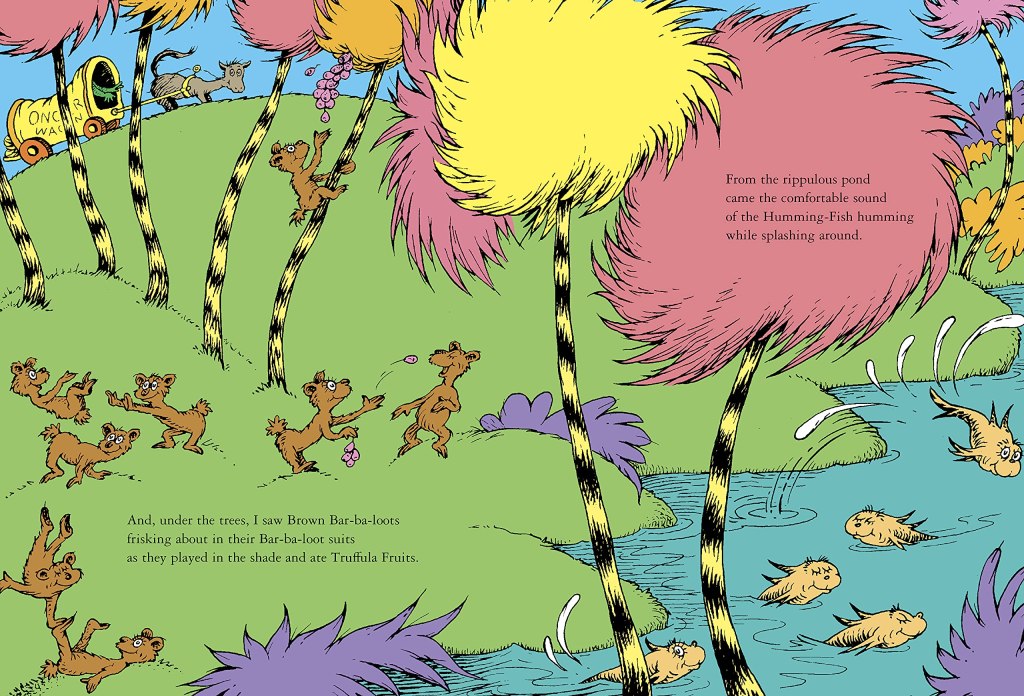
  1. Silly Seussian Plants 
Nature is red in tooth and claw, but sometimes it is also quite ridiculous. Truffula trees (as well as Brown Bar-ba-loots and Humming-Fish) from Dr. Seuss’ The Lorax (1971)..

In his 2001 supposed “style bible for indoor plants” Potted, landscape and garden designer Andy Sturgeon went on a harrumphing judgemental tear about flamboyant plants. My immediate thought was, “But those are the best ones, of course!” I want a little whimsy in my plant collection, where a few specimens make me giggle or even laugh out loud when I look at them. 

My picks: Acalypha hispida (chenille plant), Asparagus densiflorus ‘Myersii’ (foxtail fern), Calliandra surinamensis (powder puff plant), Mimosa pudica, Huernia zebrina (Lifesaver cactus), Psychotria elata (Hot Lips), and Kochia scoparia

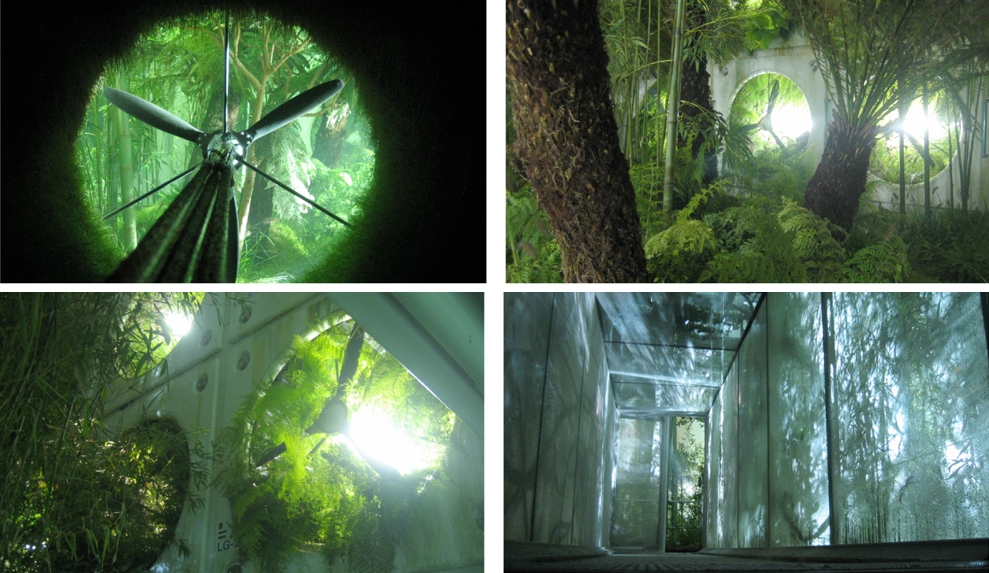
  1. The Oxygen Garden in Danny Boyle’s Sunrise
The oxygen garden on the Icarus II in Sunshine (2007).
Overgrown oxygen garden on Icarus I in Sunshine (2007). (Source: Position art director Denis Schnegg). Plants used include bamboo, tree fern, turf grass, and fern.

Sunrise is my least favorite of Danny Boyle’s films. The casting in the sci-fi thriller was top notch, but the script was a mess, the science flawed, the crew mix seemingly optimized for max discord, and character deaths utterly pointless. Ugh, it sucked. But it is still one of the few space-based sci-fi movies that incorporates living plants into mission critical processes on board a spacecraft. There is an “Oxygen Garden” responsible for producing and replenishing the ship’s air supply.  The garden’s appearance was brief — sadly, it was doomed from the start– but it was interesting to think about the other living beings we could bring out into the stars with us. I was also struck by Corazon, the botanist played by Michelle Yeoh, and her tender care and obvious devotion to the garden.

My picks: I don’t have any specific plants in mind for this one. My initial choices were the over-hyped “air-purifying plants.” Unfortunately, the marketing claims seem to be vastly overblown, because of course, they are. 

  1. Yakushima Forest as referenced in Princess Mononoke and the Hoh Rain Forest
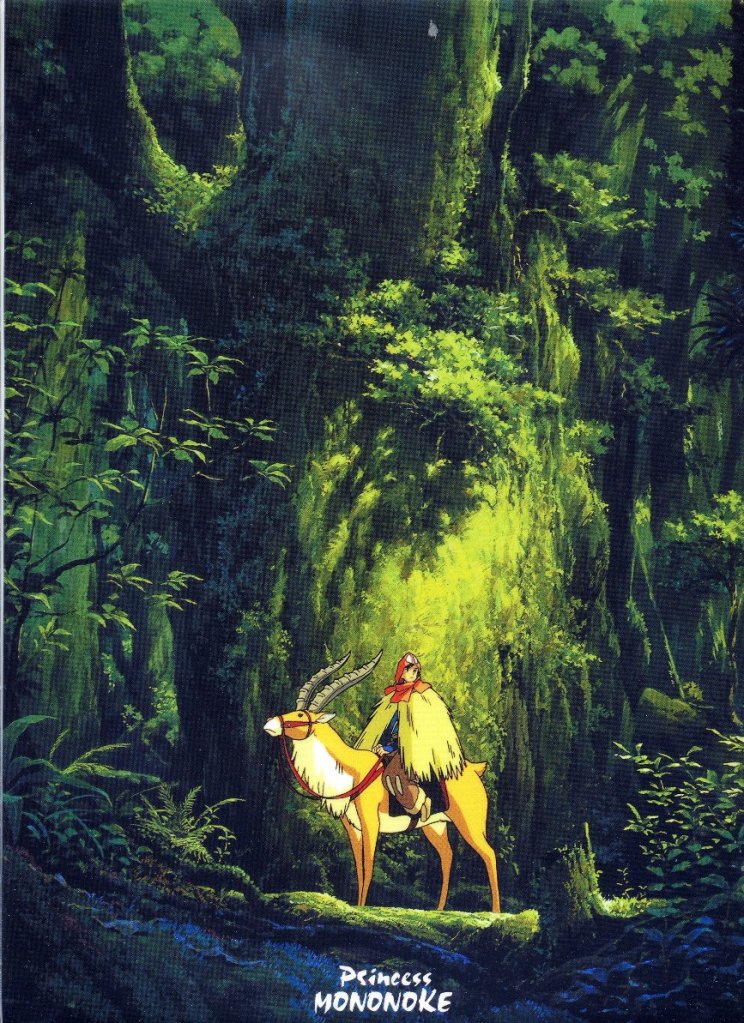
Princess Mononoke (1997).
Along the Kusugawa trail in Yakashima Forest. Photo by Casey Yee (CC BY-SA 2.0).

Princess Mononoke is the only of Hayao Miyazaki’s films that I truly love, partly because I prefer my anime with at least a touch of ultraviolence, but mostly because of the film’s portrayal of the forest, its spirits, mysteries, and generosity. The forest as rendered in the film heavily references the subtropical evergreen forest of Yakushima in Southwestern Japan. Yakushima is home of one of the world’s oldest trees, the Jōmon Sugi, a Japanese cedar estimated to be at least 2,000 years old.

By contrast, my oldest plant is a 12-year old Dracaena marginata called Muppet. My plants are babies, saplings, and seedlings, but I want a connection to wisdom and awe that one can feel when in the presence of long-lived beings. For now, I’m making due with plants that can (theoretically) live and grow with me for decades even if they will never achieve the same majesty of a specimen found in its natural environment.

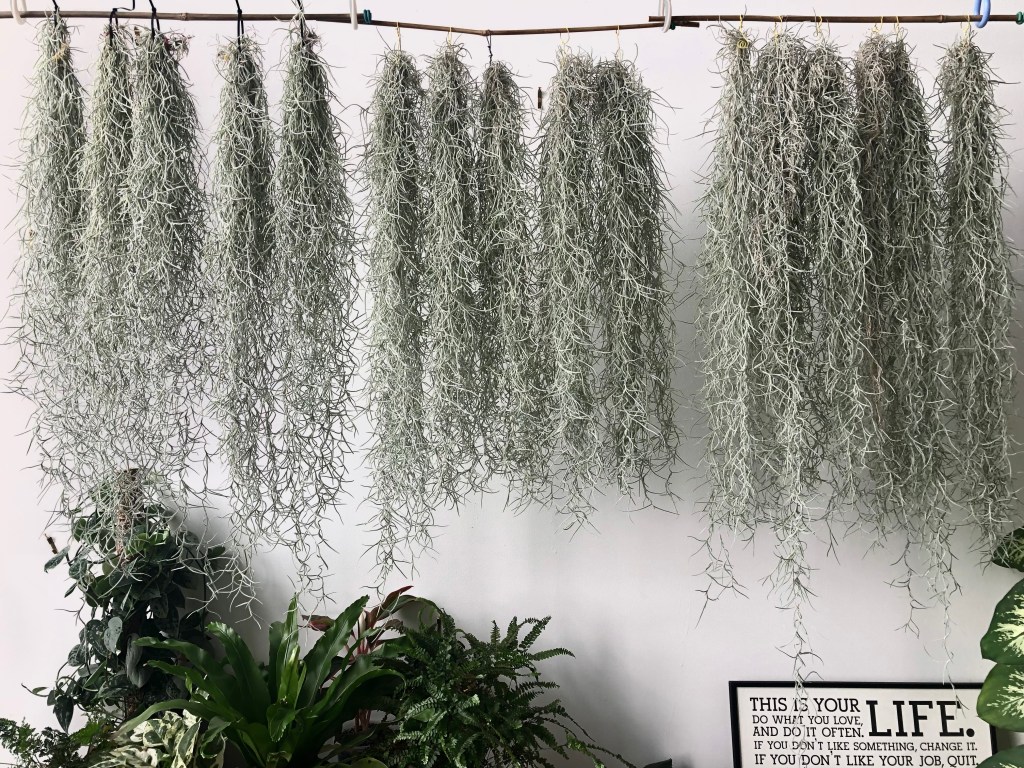
My picks: Ficus elastica, Ficus religiosa, Crassula ovata, Zamioculcas zamiifolia, Philodendron spp. To mimic a feeling of a primordial forest, I’m working on a long term project of growing 3-6 foot long Spanish moss (Tillandsia usneoides) that I can drape in select spots throughout the house. I am very lucky to have a husband who appreciates having an eccentric wife.

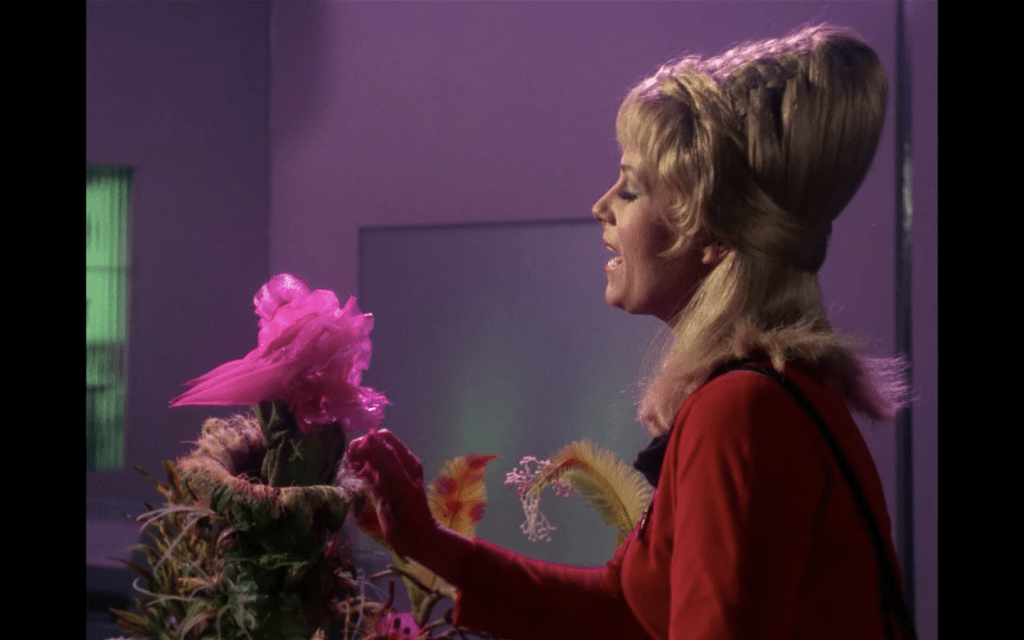
  1. Alien plants and soundstages from Star Trek: The Original Series
Still from Star Trek: The Original Series S1E2 The Man Trap (1966).
Still from Star Trek: The Original Series S2E5 The Apple (1967).
Stills from Star Trek: The Original Series S2E22 By Any Other Name (1968).

A funny trick of memory is that as technology advances my visual recollections of Star Trek: The Original Series adjust to match the emotional impact the show had on me as a kid. I loved the alien planet sets, with their cheesily rendered plants and boldly gelled skies. Stepping onto another world with the main trio and the away team was fascinating, maybe a little sexy, dangerous even, but definitely entertaining. 

My picks: Tillandsia spp., Vanda spp., Phalaenopsis spp., Davallia spp (rabbit foot fern, though I think tarantula leg fern would be more accurate), Aegagropila linnaei (Marimo). Longterm, I want to figure out how to grow foxfire (various species of bioluminescent fungi). Note: an environmental caution on Marimo.

  1. CaixaForum Madrid Vertical Garden
Vertical Carden, designed and created by Patrick Blanc, at the Caixa Forum in Madrid, Spain in 2019. Photo by Cat Laine.

Visit mur végétal pioneer Patrick Blanc’s website. The pictures say it all.

My picks: I’m still doing research on this one, particularly about beneficial insects to keep plant pests at bay and fertilizers to keep plant health up. I’m particularly intrigued by the plant processing techniques of vivarium enthusiasts as they may be applicable. Blanc’s setups seem to be primarily hydroponic where epiphytic plants are rooted between sheets of a non-biodegradable felt substrate. I’m unclear about how much upkeep is required, whether algal growth is an issue, etc. Other layouts and designs are available commercially and I’m leaning towards Florafelt’s Living Walls. The vertical wall on the San Francisco Botanical Garden Bookstore uses Florafelt Pocket Panels. Stay tuned.

  1. San Francisco Botanical Garden’s Ancient Plants Garden
“Living Fossils” at the San Francisco Botanical Garden’s Ancient Plants Garden in 2019. Photos by Cat Laine.

I like a survivor, and the plants featured in SFBG’s Ancient Plants Garden are the best survivors of all, with these ‘living fossils” first appearing on our planet eons ago.

My picks: Phlebodium aureum (blue star fern) Nephrolepis spp, Adiantum spp. (maidenhair fern) Platycerium bifurcatum (staghorn fern), Cycas revoluta (Sago palm), Blechnum gibbum (dwarf tree fern) or Dicksonia antarctica (Australian tree fern), Araucaria heterophylla (Norfolk Island Pine).

  1. Longwood Gardens’ Silver Garden

The Silver Garden at Longwood Gardens in Pennsylvania features grey-blue (glaucous) and silvery plants from arid regions all over the world, including cacti and Tillandsia from the Americas, South African succulents, and a whole slew of Mediterrean plants to name a few. Under similar climatic pressures, many of these plants independently developed the same strategies to cope with dry environmental conditions and searing sunlight.

My picks: Carpobrotus edulis or Carpobrotus chilensis (highway ice plant), Crassula capitella “Pagoda village’, Dichondra argentea, Tillandsia tectorum, Aloe barbadensis (aloe vera).

  1. The children’s “Paradise” in Susan Coolidge’s What Katy Did, particularly the bower.

Nature’s embrace. In the absence of land to create an outdoor garden and a protected bower, I want to use some of my more unwieldy plants to create a little private reading/writing nook. I want one spot where I can tuck myself into and be completely surrounded in nature’s comforting embrace. The only signal that I am there would be Lang Elliott’s recordings from his Pure Nature app and maybe a curse now and again, as yet another fungus gnat tries to fly up my nose. 

  1. Sanctuary Grove and Freya’s fantastical symbiosis with Chaurli in God of War (PS4) 

Sanctuary Grove, Freya, and Chaurli in God of War 4 (2018). Jump to 6 minutes 25 seconds.

Up to this point, most of the plants listed above mainly possess green foliage of various hues, saturations, and brightness, but green all the same. I would like a pocket of my collection where the foliage boasts of other colors, like reds, golds, and purples! 

My picks: I’m still on the lookout for plants as the most readily available option, coleus or crotons, don’t appeal to me for whatever reason. Strobilanthes dyeriana (Persian shield), Oxalis triangularis (purple shamrock), Begonia rex-cultorum, Stromanthe sanguinea ‘Triostar’.

What do you think of when you imagine a plant sanctuary? Let me know in the comments.
Plant Blindness | Plant Sight

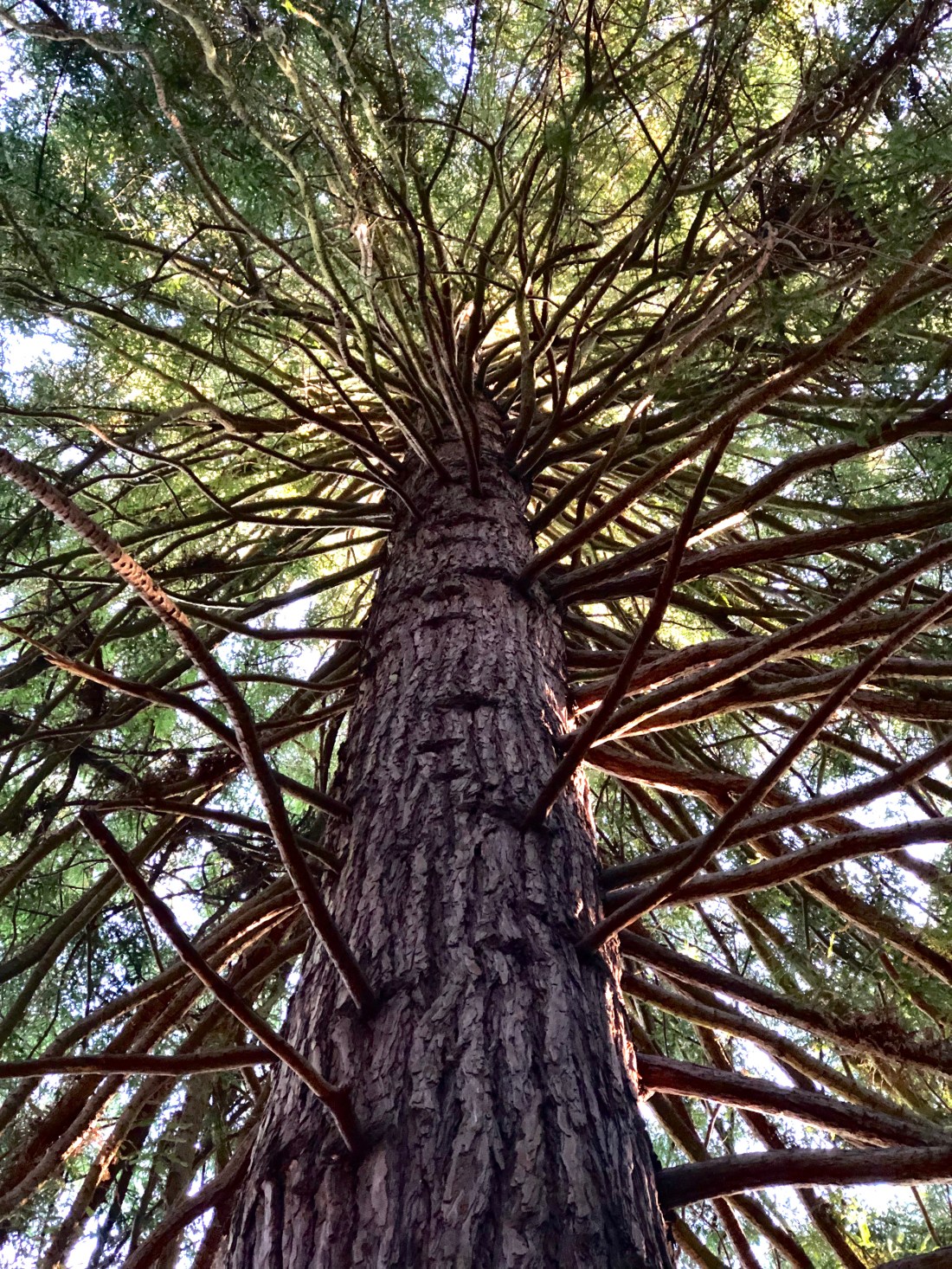
In the Redwood Grove of the San Francisco Botanical Garden. October 11, 2019.

Only 3 years have passed since I have been cured of plant blindness, a peculiarly human inability to notice plants in the natural environment. For most of my life, with the exception of a few well-known species or a notable specimen tree here and there, most plants have melded into a nameless blur of pleasant green. These are the top 10 plants that broke through my near lifetime of inattention.

  1. Cabbage

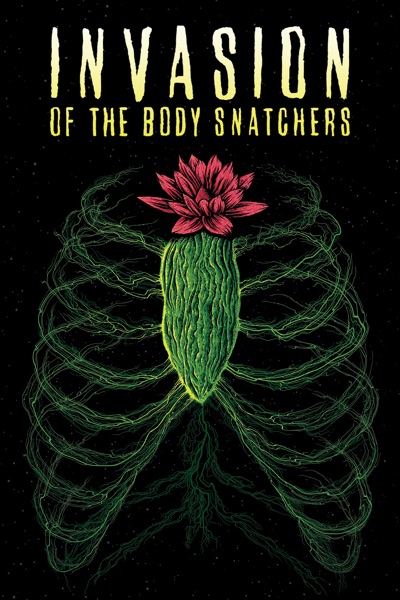
One of the small joys of my childhood was sneaking to watch a movie that I wasn’t supposed to be watching. Sometimes I learned valuable information that my mom, aunties, or older cousins weren’t going to tell me about any time soon, e.g. Waiting for Mr. Goodbar (1977). Other times, my precocity bought me years of nightmares, as was the case after seeing Invasion of the Body Snatchers (1978).

Invasion of the Body Snatchers, 1978. Movie Poster.

In Invasion, an alien lifeform, with an oddly arcane life cycle, descends onto planet earth from parts unknown. Its spores turn into luridly beautiful flowers, which in turn become pods that envelop, seemingly devour, and lastly clone any human unlucky enough to be sleeping in their vicinity. The resulting pod person is an emotionless automaton bent on eradicating all human life. In the way of the best 70’s horror films, it filled me with creeping dread.

After that, I gave my great aunt’s cabbage patch a wide berth. Just. In. Case. I also avoided her giant sunflowers whose tendency to follow the sun meant they too could not be trusted. Their proximity to the mint that my mom would use to make a sweet tisane forced me closer. It wasn’t until the sunflower seeds were harvested that I lost my fear of them. Those giant cabbages though, with the suspiciously veiny long-lasting leaves… I still don’t know about them.

  1. Baobab
Antoine de Saint Exupery, Le Petit Prince, Les Baobabs. Lithograph.

I first encountered the baobab — a fantastically insistent name– in Le Petit Prince, but I first met one in person in Kenya. I remember thinking how odd that the most wondrous thing I’ve ever seen could just be there, hanging out by the side of the road, casually occupying the landscape like any commonplace oak or maple back home, probably wondering why this tiny humanoid was freaking the fuck out. Baobab are so weirdly beautiful and filled with overwhelming amounts of personality. I adore them.

  1. Orange Bird of Paradise
Punk Tropicale
Punk Tropicale. Illustration by Cat Laine.

The South African beauty, the orange bird of paradise, was a frequently-used landscape plant in Southern California when I was a kid. I most associate them with my junior high school, especially with the patch not too far from my math, English, and geography classes. I didn’t appreciate at the time that my public school would, could, invest money in surrounding us with such pockets of natural beauty. It is my all-time favorite flower and, as such, occupies a place of honor in the Punk Tropicale logo.

  1. Ice Plant (Carpobrotus chilensis)

Other South African transplants commonly seen in Southern California are the succulents Carpobrotus chilensis and Carpobrotus edulis. Initially introduced to California as erosion stabilization tools, they are now considered invasives, particularly the more aggressive Carpobrotus edulis. I remember these growing in every “canyon” or steep slope, enabling an easy climb or preventing an inelegant tumble when picking through some shortcut or back way. I think of them fondly for being utilitarian with the added bonus of constant magenta flowers.

  1. Thistle

Since I don’t have an outdoor garden or vegetable patch that I have to weed, I still can appreciate plants with a “fuck you, I won’t do what you tell me” attitude, also known as weeds. Weeds are plants that refuse to submit to the will of us humans and stay where they are told. I think I like beings that want desperately to live and won’t bow down to our whims. I respect their bullheaded survival, unless of course, those beings are insect pests and poison ivy, in which case, screw ‘em.

 My affection for thistle is also partly due to the delicate botanical illustrations in a nature and wildlife book my mother bought me. Being one of those lonely bookish kids who was also really into words, I liked plants that called for crayons with interesting names like magenta and fuschia. As you can imagine, I also liked forget-me-nots that required periwinkle blue and greenery with chartreuse leaves.

  1. Lady Slipper

My husband was unnerved when I said that the pink Lady Slipper orchid (Cypripedium acaule), that has sprouted in the bed of pine needles near his mother’s house, looked like a grandpa’s testicle. He couldn’t unsee it and I cackled at his dismay. Later while reading the Orchid Thief (1998), I shouted out in triumph that ‘orchid’ was derived from Ancient Greek and means testicle, proving that I was no more or less obsessed with sex than my botanical forebears.

  1. Bougainvillea

I hadn’t realized until I was making this list that when it comes to flowering plants, I have a strong preference for plants with inflorescences as opposed to a single flower on a stem. In addition to the modified magenta leaves or bracts seen on bougainvillea, I like spathes and spadices (e.g. peace lily, Anthurium, calla lily), catkins (e.g. pussy willow, chenille plant), racemes (e.g. foxglove), umbels (e.g. Queen Anne’s lace), panicles (e.g. wisteria), and whatever bird of paradise and Celosia argentea var. cristata are doing. 

My favorite single flowers on a stem are peonies (i.e. what you would get if you had an overexuberant apprentice redesign roses) and the famed Semper Augustus tulips because they make me want to bust out my pencils and watercolors. Ball dahlias are exquisite as they look like math. They have an additional surprise in that– shazam— they are not a single flower, but are part of the tricksy Asteraceae family (https://en.wikipedia.org/wiki/Asteraceae) where what we think of as a single flower is actually a cluster of hundreds of flowers. 

  1. Frangipani 

I am currently reading Ken Druse’s A Scentual Garden (2019) and a Logee’s catalog to find inspiration for plantings. As an adult who is living in a city apartment and who can’t “go outside to play”, I feel more and more distanced from the botanical scents of my childhood, cut grass, honeysuckle, and jasmine, to name a few. The most the city has to offer these days is the semen-scented street tree, the callery pear. 

I will still get down low to sniff lilies of the valley. You have to get intimately close, practically horizontal to be rewarded with their transporting scent. But the smell I miss the most is frangipani, specifically one particular house on the way to my elementary school in Cali.

  1. Redwoods
In the Redwood Grove of the San Francisco Botanical Garden. October 11, 2019.

Return of the Jedi (1983) was the best Star Wars. Princess Leia was obviously the hero, as she recruited a crack team of adorable and ruthless guerrilla fighters who were essential to the Rebellion’s success through niceness, positive energy, and fantastic hair. Duh. Plus she murdered a monster many times her size with her bare hands while wearing fashion. The other reason Jedi slaps was because of the Endor shooting location in the Tall Trees Grove in the Redwood National and State Parks of California. Those trees seemed so unbelievable and magical to me, like baobabs, too outlandish to be real. Okay, I admit it. I’m a bit of a size queen.

  1. Spanish Moss
Spanish Moss (Tillandsia usneoides).

Much to my horror, my Haitian mother was not so interested in Christmas trees when I was little. One year when we lived in Miami, she insisted on gathering Spanish moss that grew wild on trees in the area. Using the moss as a stand-in for hay, she created a makeshift Christmas display in the living room where she nestled wooden figurines of Mary, Joseph, and the baby Jesus. I don’t remember if the Wise Men were there or not, but I may have tucked a bird ornament or two into the scene, figuring that birds liked miracles too.

Bonus: I asked my husband to make a similar list for me. His largely features plants from his childhood, especially those native/naturalized species whose utility is today underappreciated.

  1. Sacred datura
  2. The scrappy dandelion
  3. Cattails, supermarket of the swamps
  4. Lilypads (specifically New England Nymphae species)
  5. Lady slipper orchids
  6. Skunk cabbage
  7. Plants that explode their seeds everywhere
  8. Staghorn sumac
  9. Phragmites
  10. Oak

What are the top 10 plants that broke through your plant blindness? Tell me in the comments?